July 23, 2026

Farmhouse Charm in the City

Welcome to 1450 Ripley Avenue in Maplewood

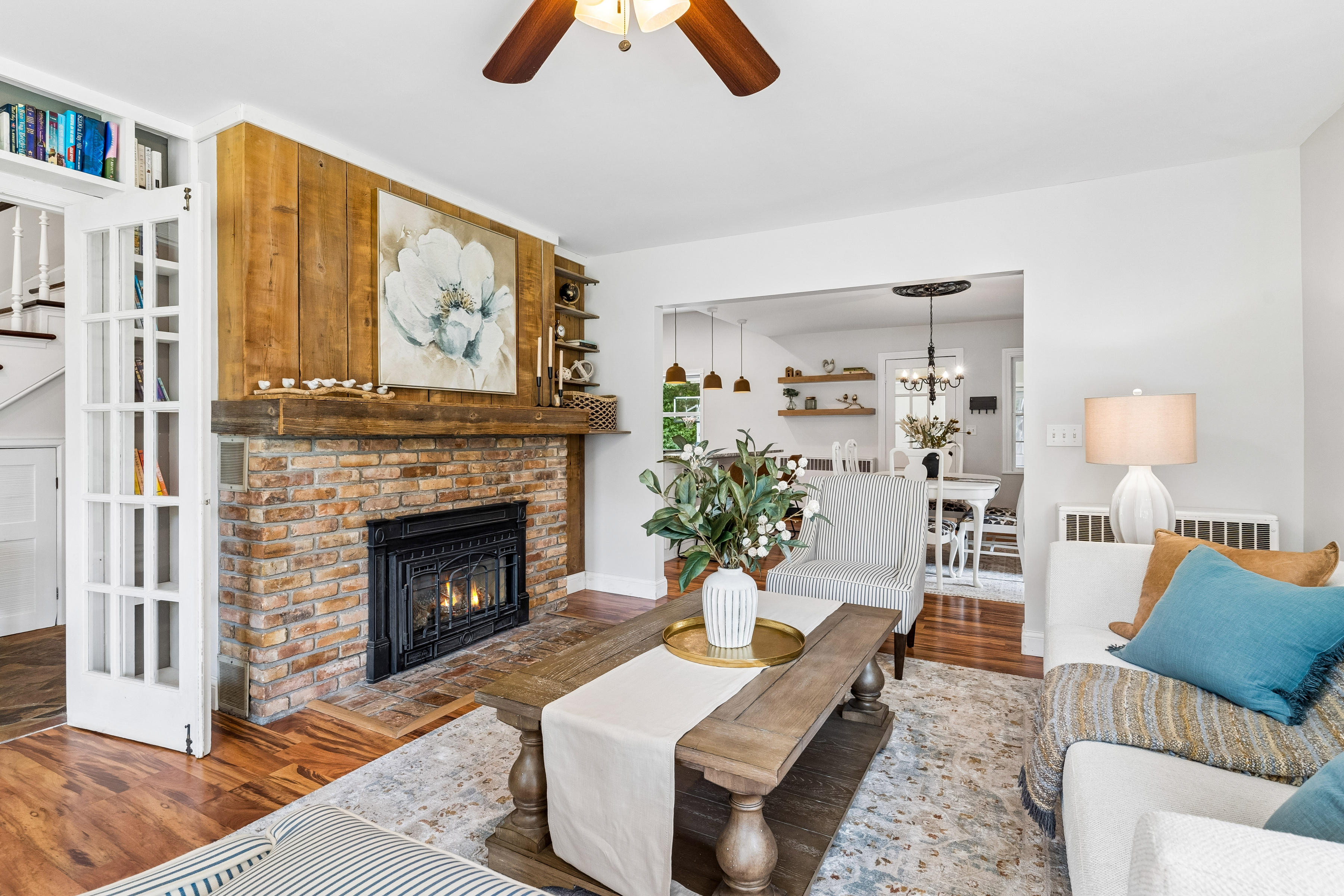
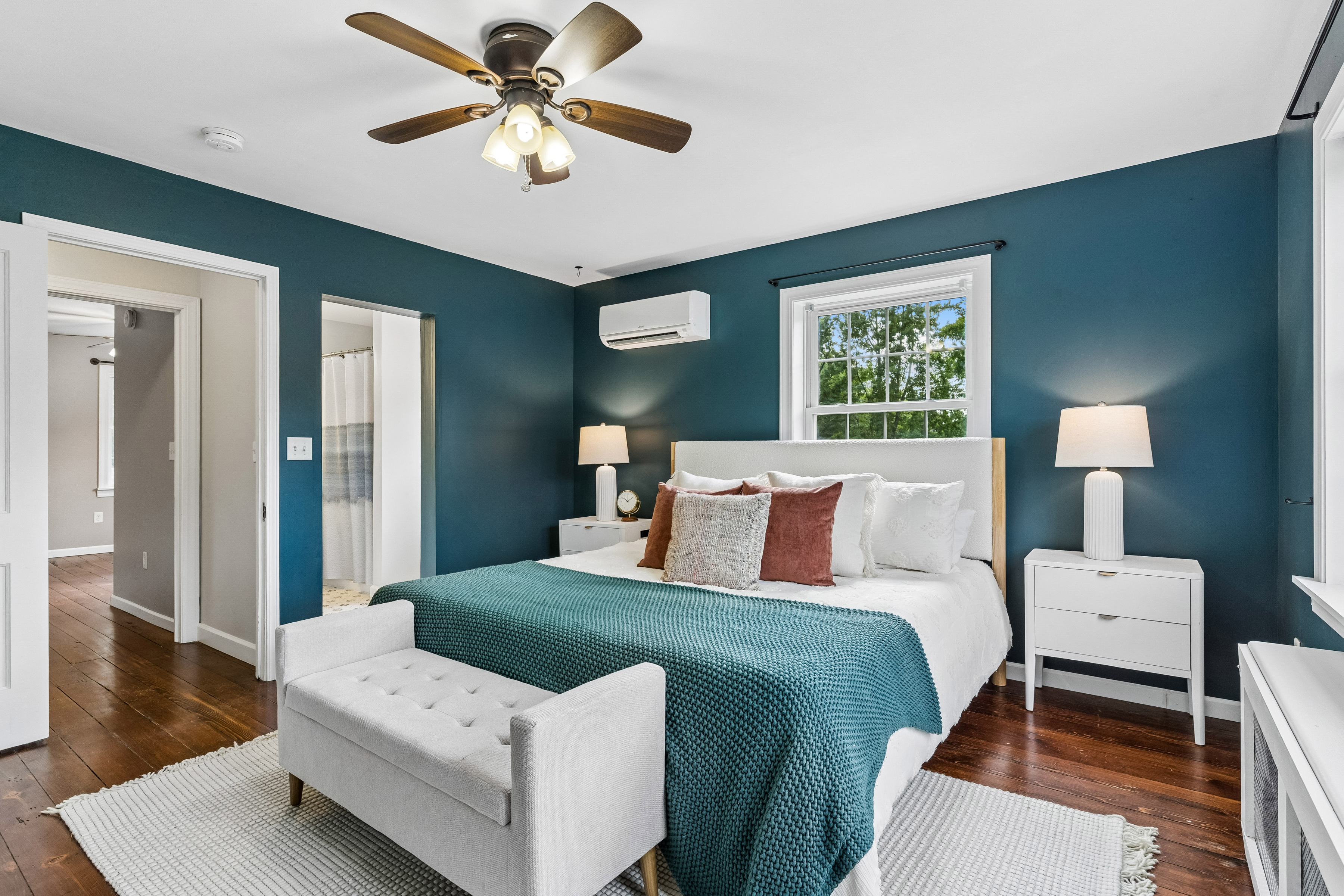
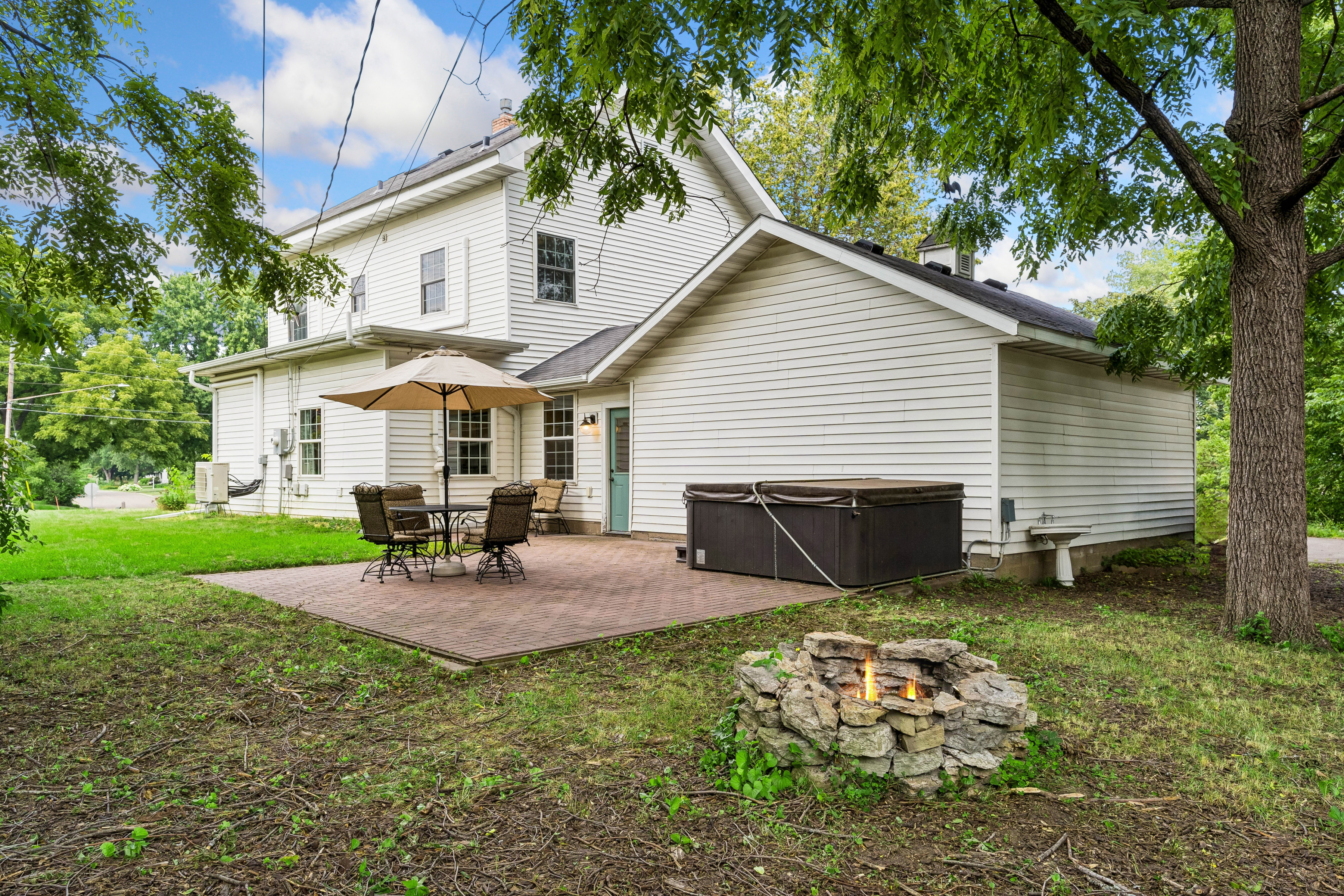
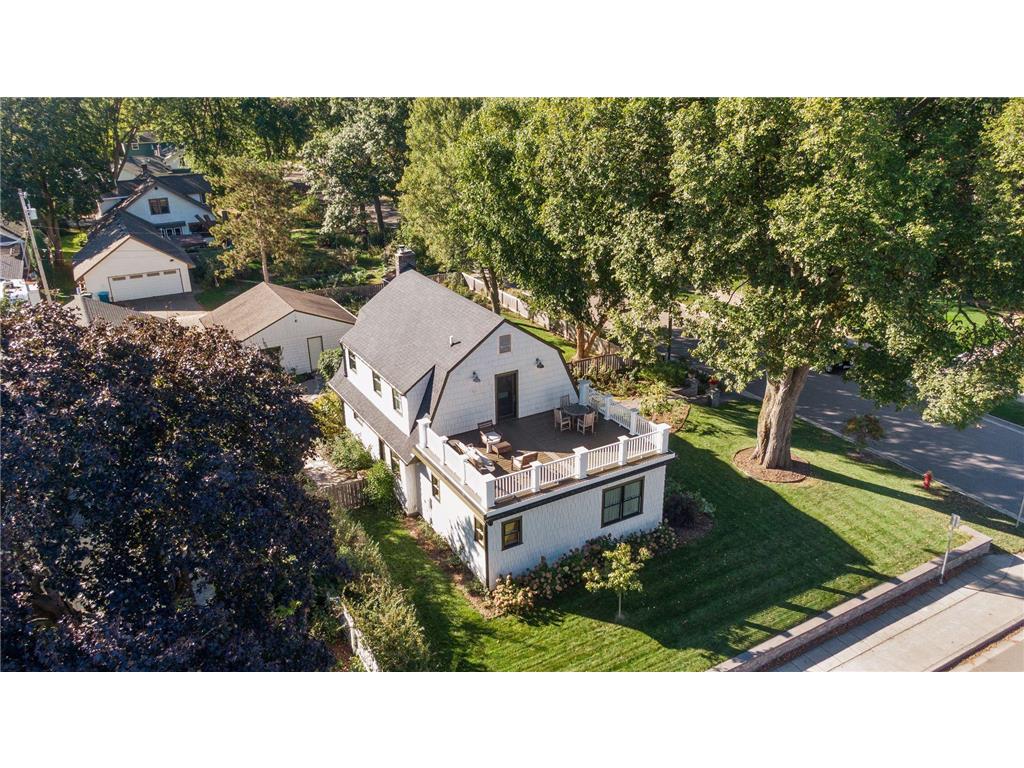
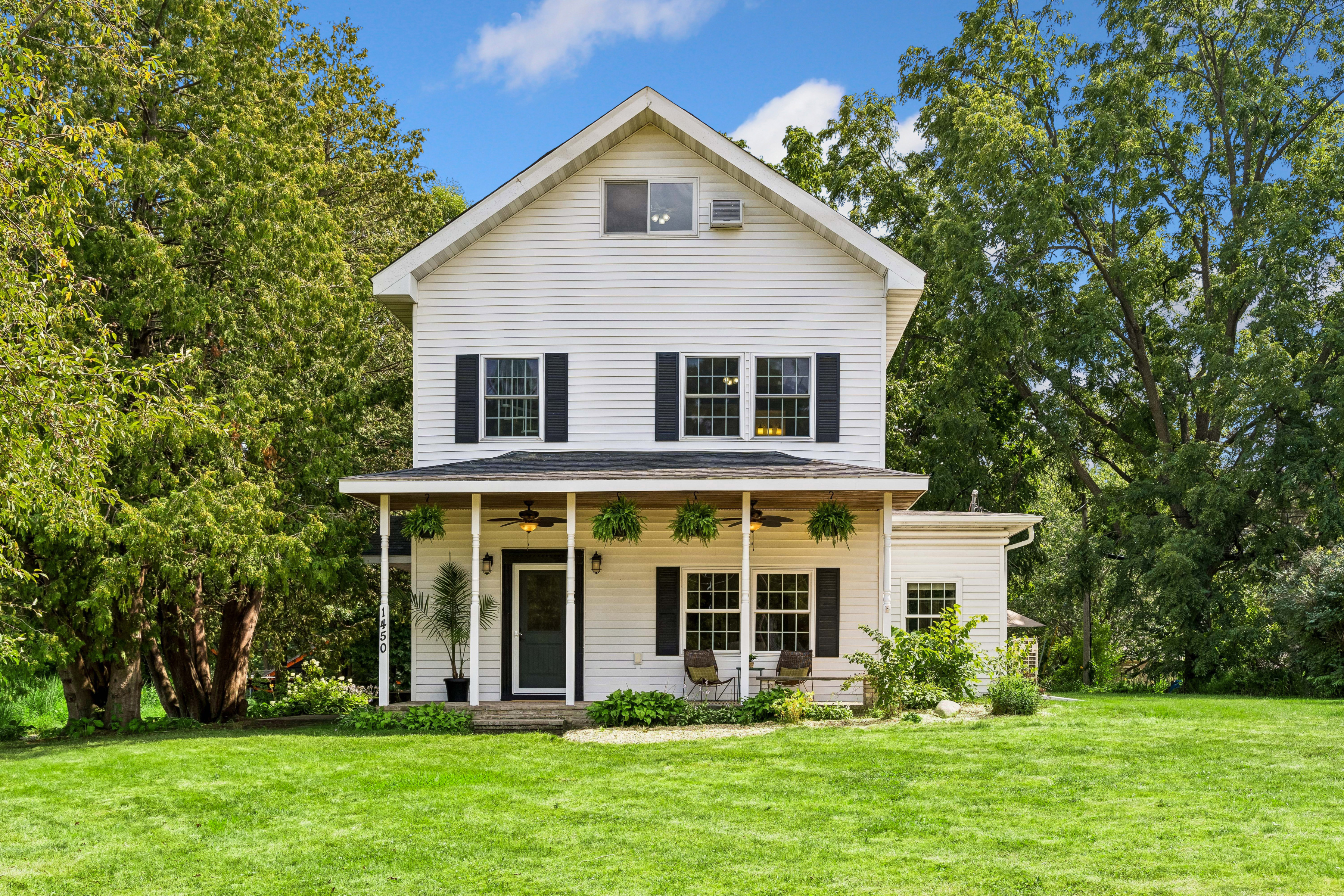
Some homes simply feel different the moment you arrive. Nestled on nearly one half acre in the heart of Maplewood, 1450 Ripley Avenue offers the warmth and character of a classic farmhouse while providing the convenience of city living. With mature trees, a thriving pollinator garden, flexible living spaces, and beautiful parks just steps away, this is the kind of property that's becoming increasingly difficult to find in the Twin Cities.
View the Photo Gallery

A Farmhouse Feel in the City

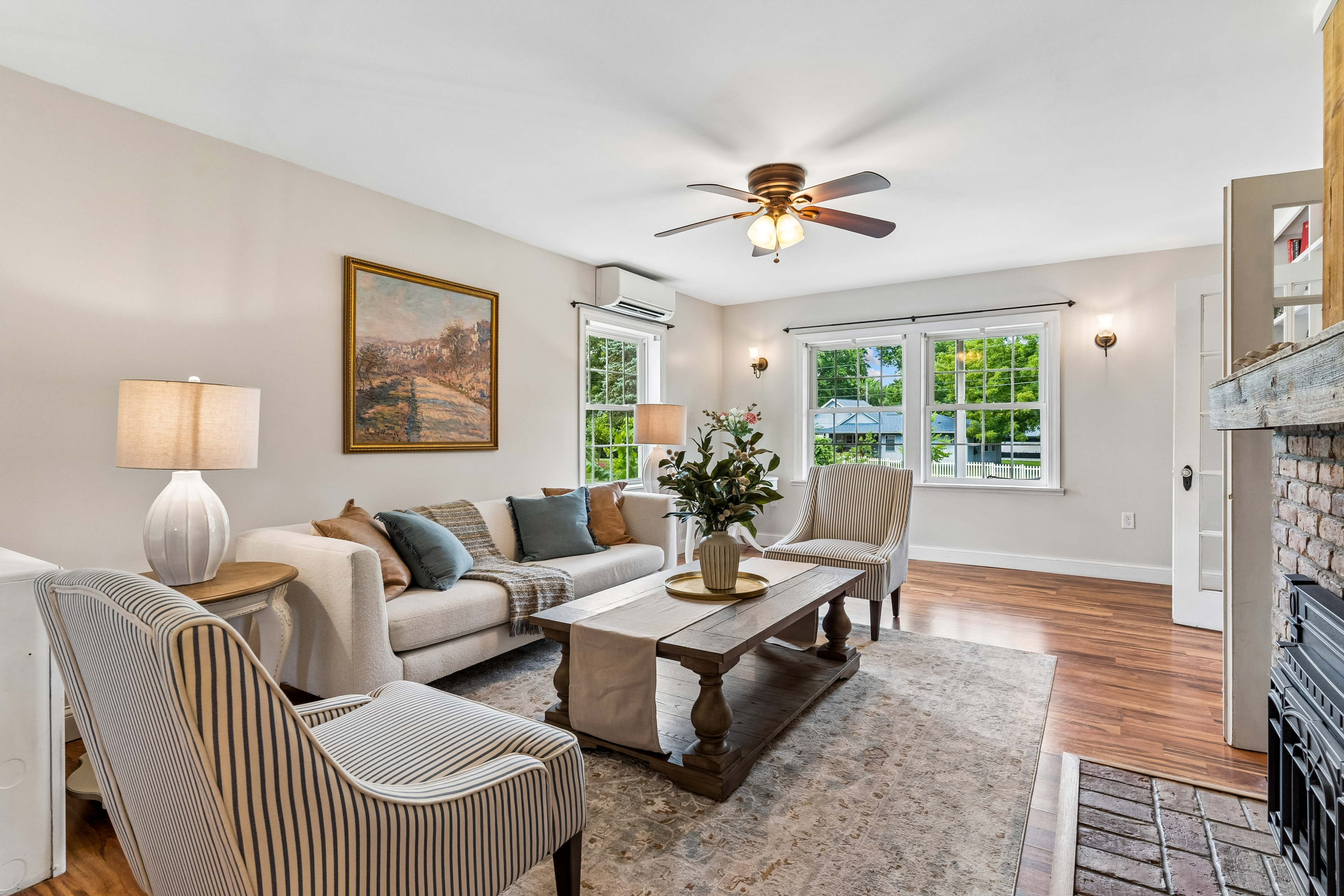
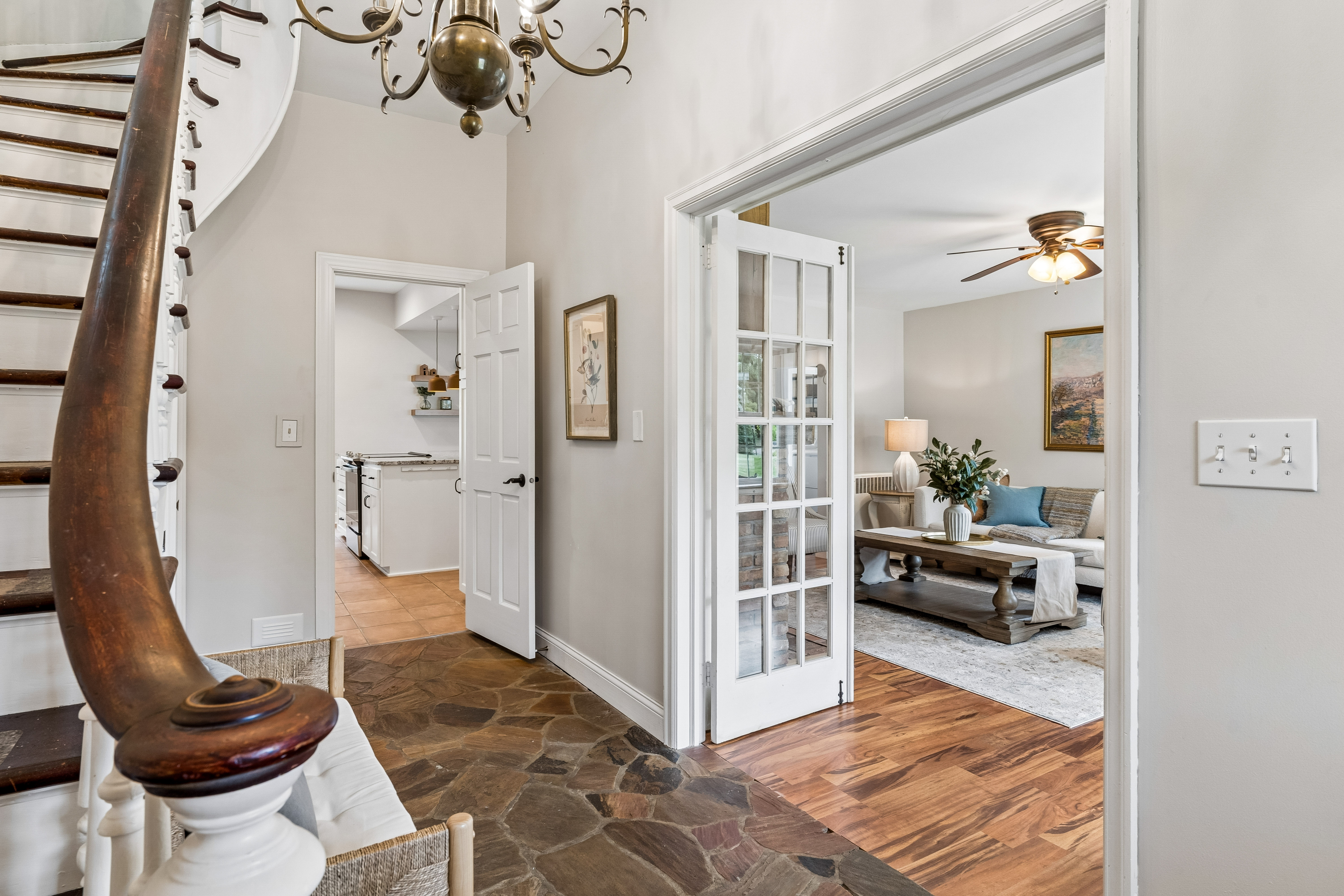
There's something timeless about a farmhouse. The welcoming front porch, comfortable living spaces, and sense of warmth make it feel like home before you even step inside. At 1450 Ripley Avenue, those classic details are paired with thoughtful updates that make everyday living effortless.

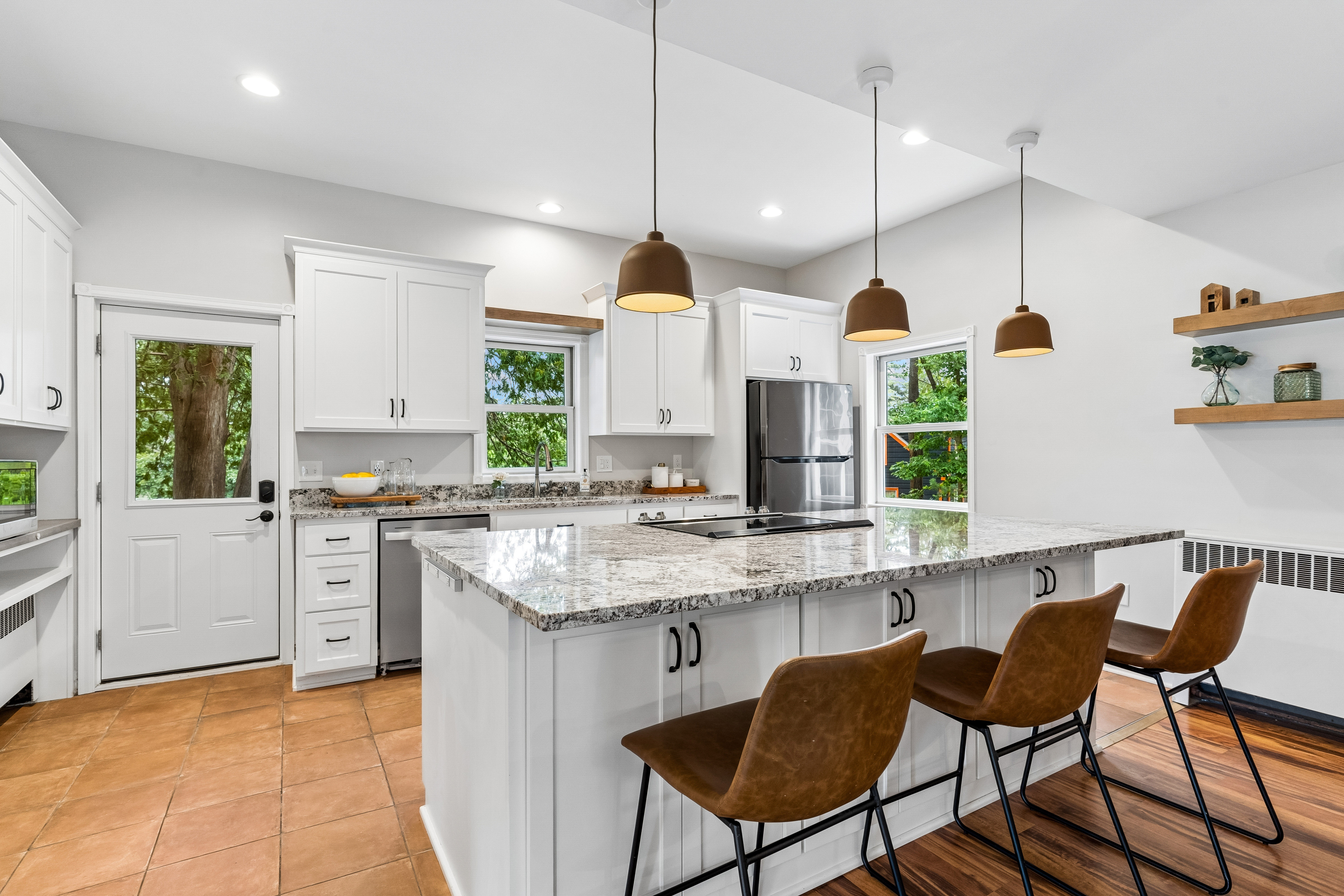
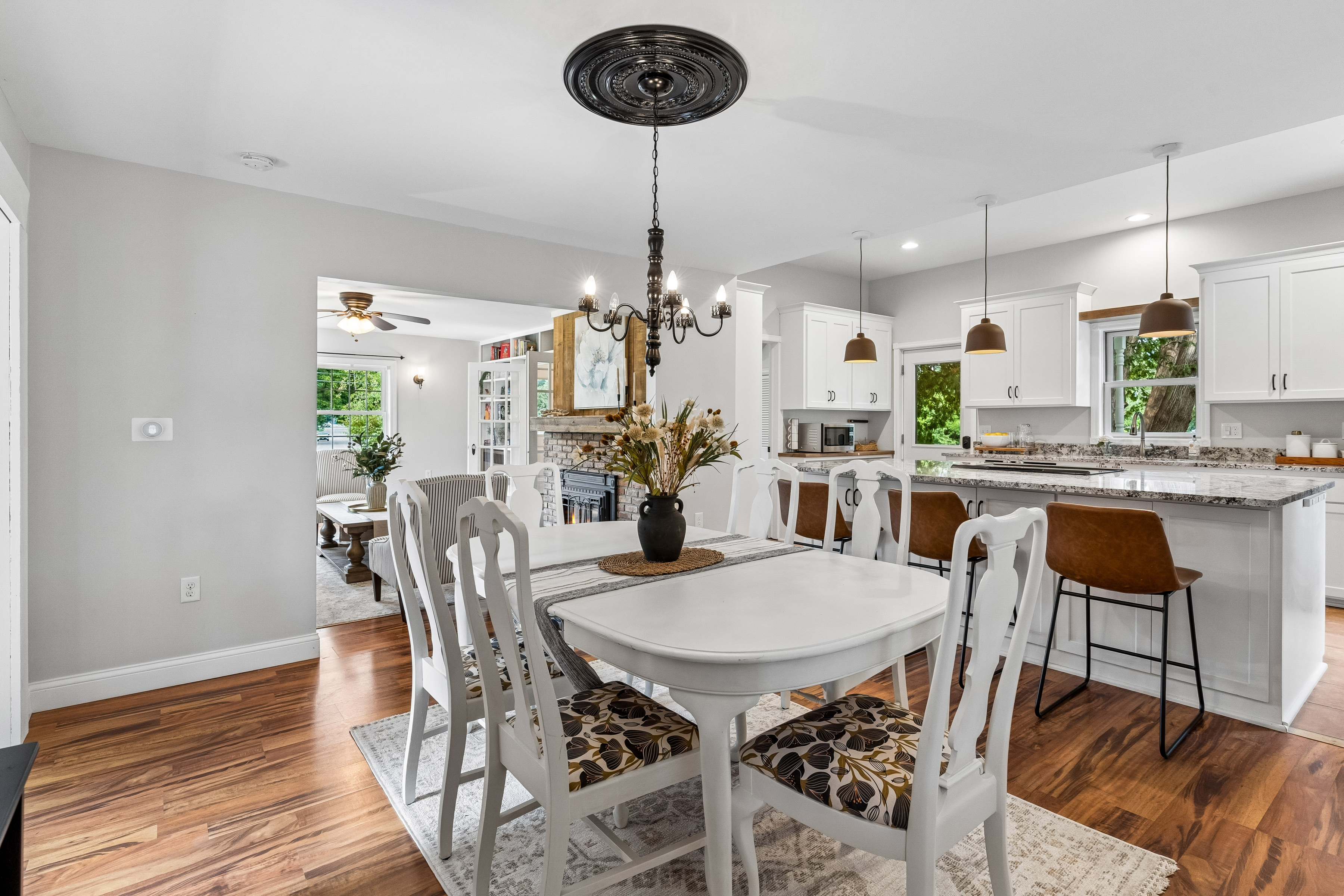
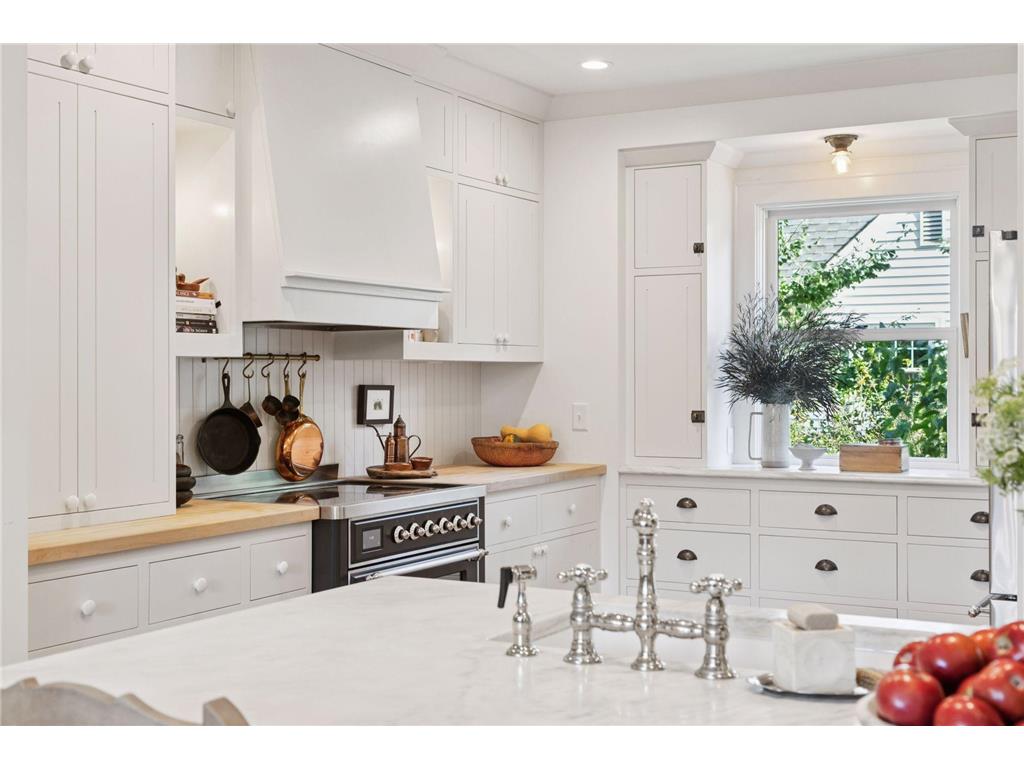
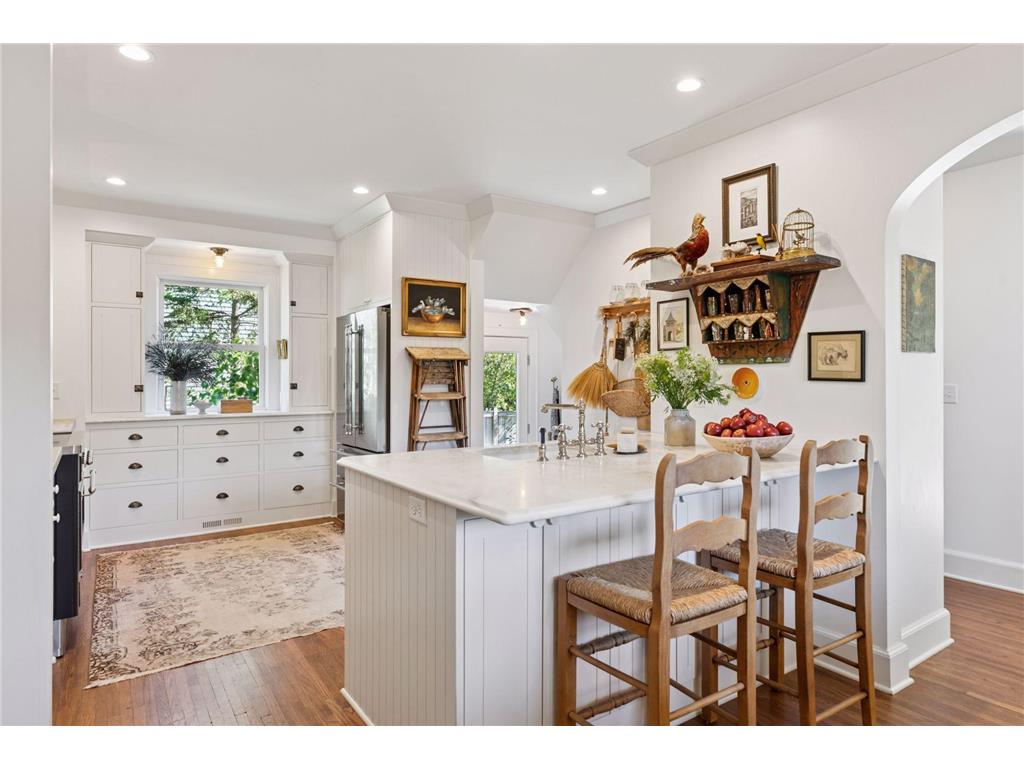
The beautifully updated kitchen features stone countertops and a large center island that naturally becomes the gathering place for family dinners, holiday celebrations, or morning coffee. Just beyond, the cozy living room centers around a gas fireplace, creating an inviting place to relax throughout Minnesota's changing seasons.

Property Highlights
  • Nearly 1/2 acre lot
  • Beautiful pollinator garden
  • Updated kitchen with stone countertops
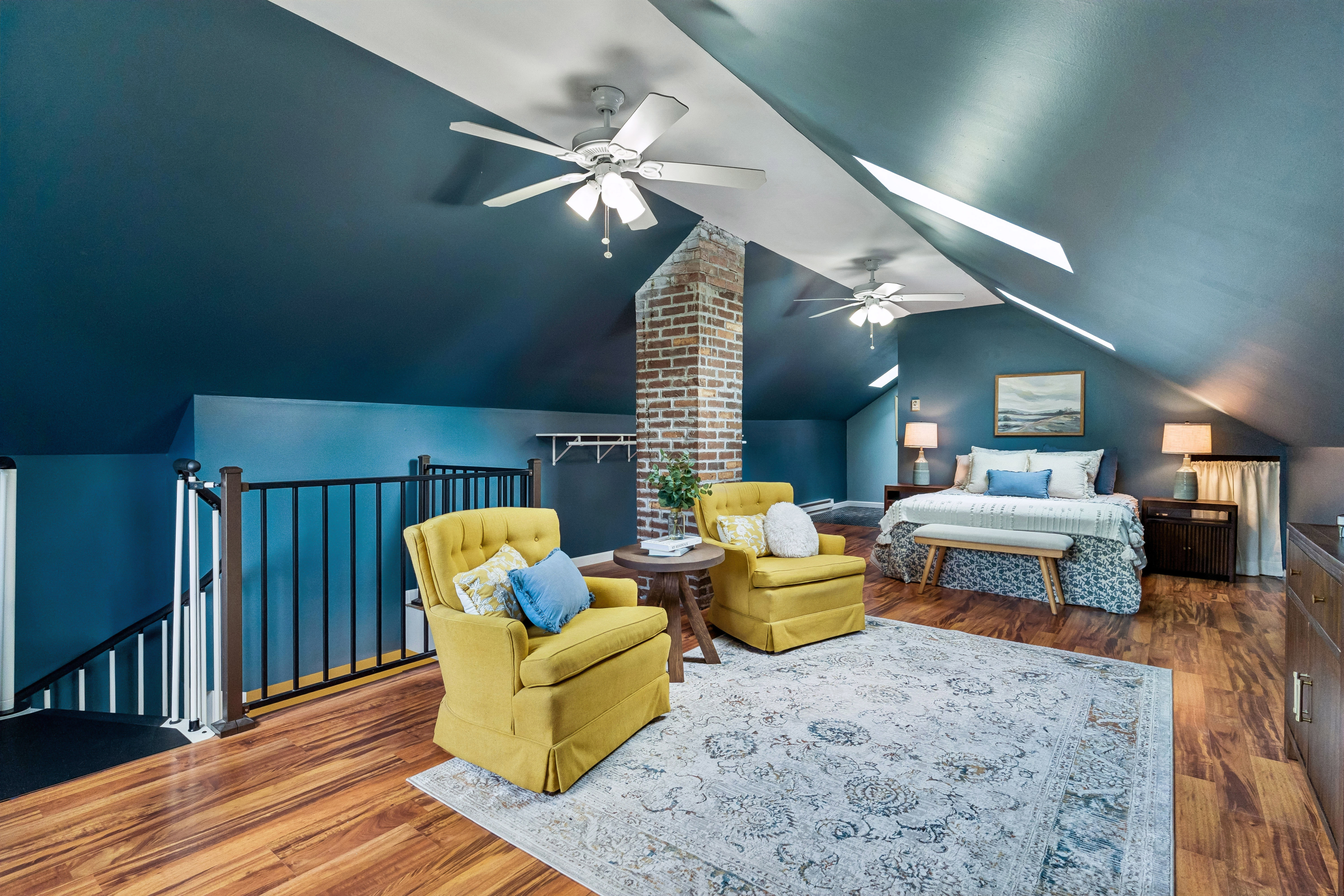
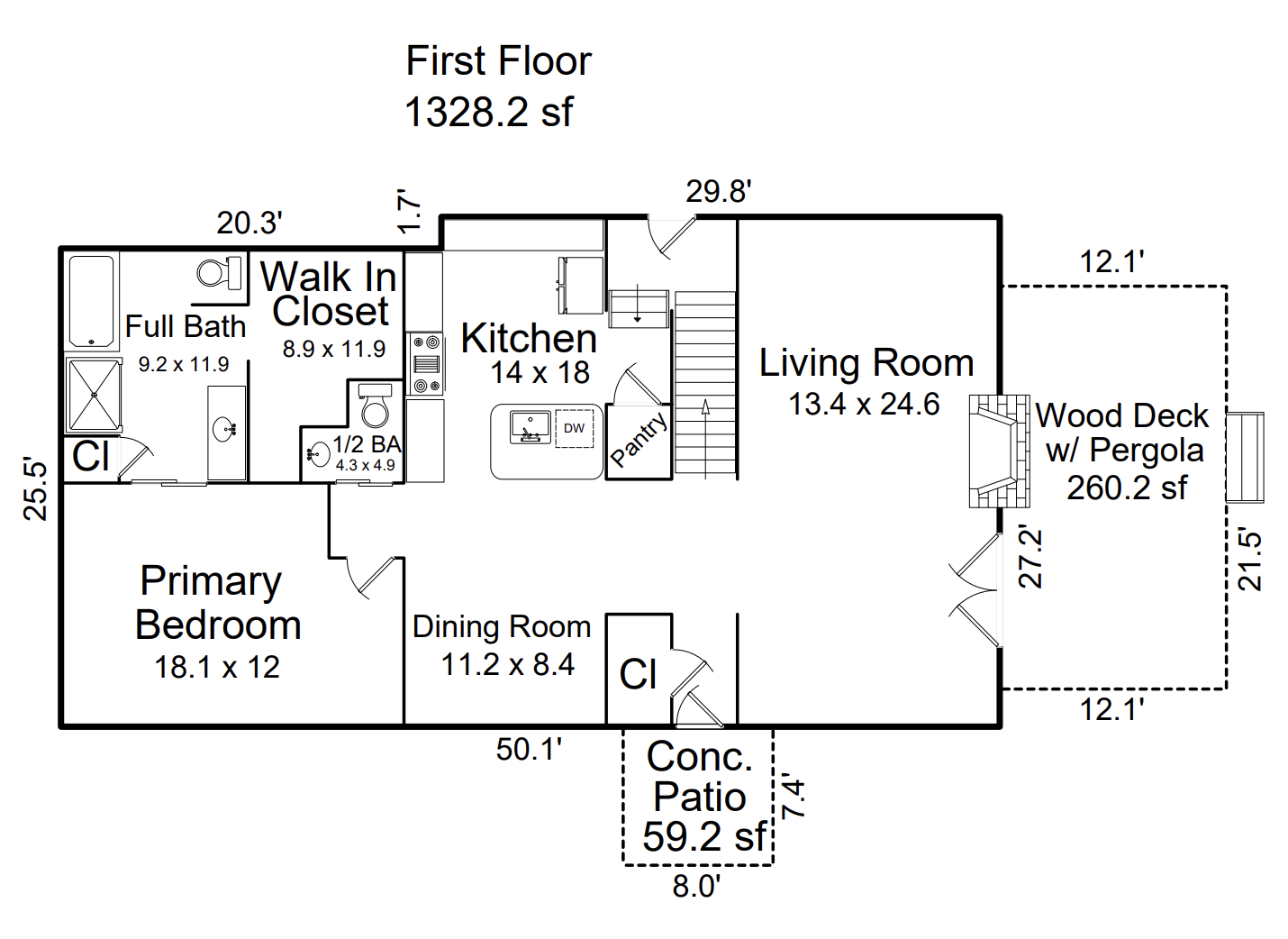
  • Versatile loft with its own bathroom
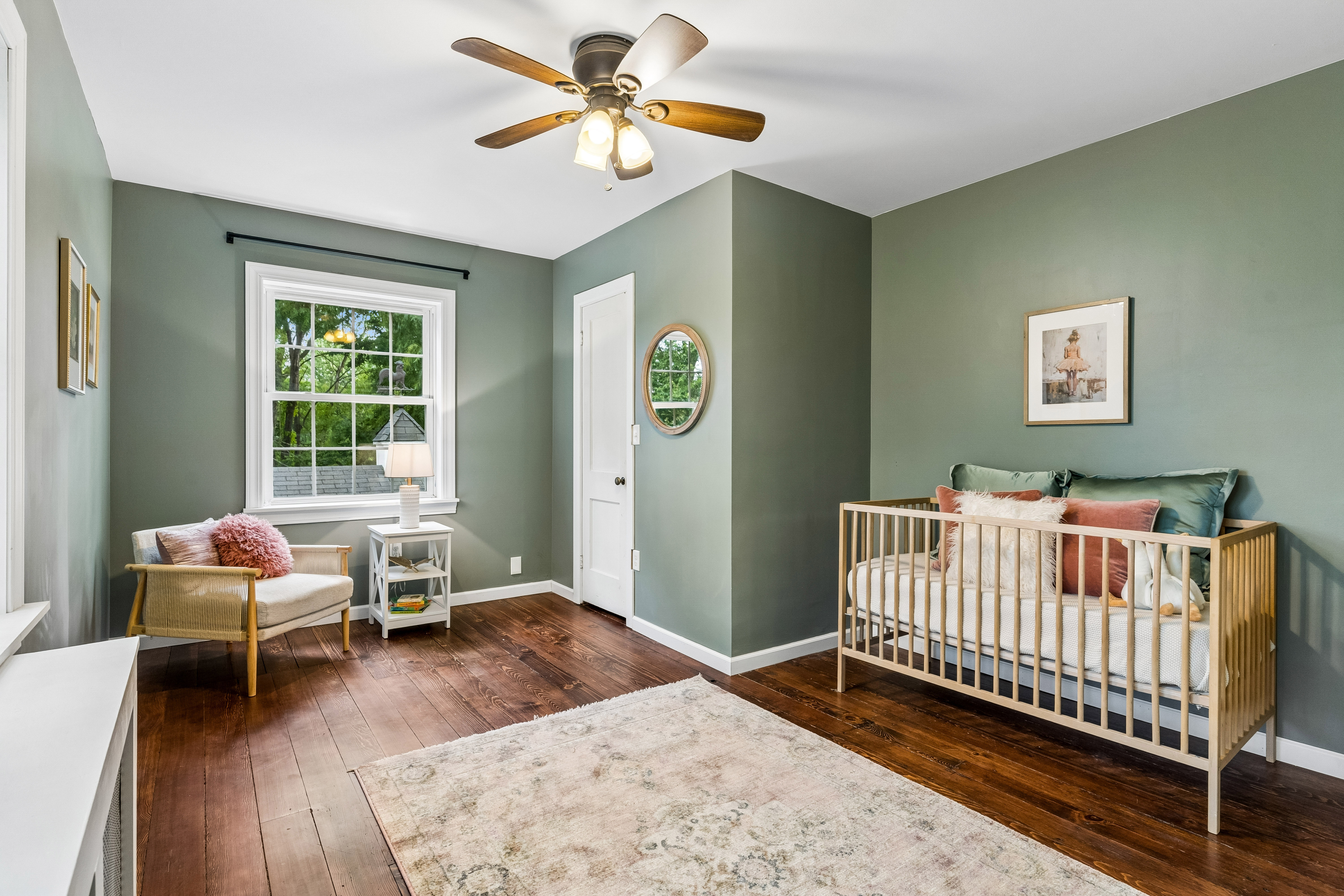
  • Three bedrooms on one level
  • Just steps from Wakefield Lake and nearby parks

Nearly Half an Acre of Outdoor Living

Large lots are becoming increasingly rare, especially this close to both Saint Paul and Minneapolis. The nearly half acre property provides room to spread out while still being close to shopping, restaurants, schools, and major highways.

One of the most unique features of the property is the established pollinator garden. Throughout spring, summer, and early fall, the garden attracts butterflies, bees, hummingbirds, and countless songbirds. It's beautiful to look at while also supporting local wildlife and creating a peaceful backyard retreat.

Whether you're entertaining on the patio, gardening, playing with kids or pets, or simply enjoying an evening outdoors, the expansive yard offers room to do it all.

Spaces That Grow With You

Today's buyers often need homes that can adapt as life changes. Whether you're working remotely, starting a business, pursuing creative hobbies, or welcoming guests, flexible living space has become one of the most sought after features in a home.

The spacious loft with its own private bathroom offers endless possibilities. Imagine using it as:

  • A home office
  • An artist or photography studio
  • A guest suite
  • A reading or writing retreat
  • A music room
  • A workout space
  • A playroom or teen hangout

Instead of forcing your lifestyle to fit your home, this property gives you the flexibility to make the space your own.

Parks and Nature Just Outside Your Door

One of the biggest advantages of this location is the easy access to parks and outdoor recreation.

Wakefield Park

Only a short walk from the home, Wakefield Park offers walking trails, a fishing pier, playground, picnic areas, athletic fields, open green space, and beautiful Wakefield Lake. It's an ideal destination for evening walks, family outings, or simply enjoying nature close to home.

Gladstone Savanna Park

Less than a mile away, Gladstone Savanna Park features restored prairie, walking trails, and natural open space. It's one of Maplewood's hidden gems for bird watching, photography, and peaceful walks.

Keller Regional Park

Just beyond the one mile mark, Keller Regional Park offers miles of trails, picnic areas, disc golf, and access to Phalen Creek. It's one of the area's most popular destinations for year round outdoor recreation.

Why Buyers Love Maplewood

Maplewood continues to be one of the Twin Cities' most desirable communities because it offers the perfect balance between convenience and nature. Residents enjoy quick access to downtown Saint Paul, excellent parks, nearby shopping, and countless recreational opportunities while still feeling connected to established neighborhoods filled with mature trees and larger lots.

Properties like 1450 Ripley Avenue don't come along often. Combining farmhouse character, nearly half an acre of land, flexible living spaces, and a location surrounded by parks creates a truly unique opportunity.

Thinking About Buying or Selling in Maplewood?

If you're looking for homes with larger lots, historic charm, or unique character in Maplewood, Saint Paul, or the surrounding Twin Cities communities, I'd love to help.

Whether you're buying your first home, searching for more space, or preparing to sell your current property, I'm here to answer your questions and help you make confident decisions every step of the way.

Megan Kolstad, REALTOR®

Megan Kolstad - Learn more about working with Me!

REALTOR® | The Hive Real Estate Team | Coldwell Banker Realty

📞 (612) 364-5498

✉️ Megan@SocialResponsibleRealtors.com

Interested in 1450 Ripley Avenue?
Contact me today to schedule your private showing or to learn more about homes for sale in Maplewood.

June 16, 2026

Twin Cities Home Buyer FAQ: Answers for Minneapolis & Saint Paul Buyers

Twin Cities Home Buyer FAQ

Twin Cities Home Buyer FAQ: Answers for Minneapolis & Saint Paul Buyers

Buying a home in Minneapolis, Saint Paul, or the surrounding Twin Cities suburbs comes with plenty of questions. Whether you're purchasing your first home, relocating to Minnesota, or looking for your next property, this guide answers common questions we hear from buyers throughout the Twin Cities metro area.

How much money do I need to buy a home in the Twin Cities?

The amount needed depends on the purchase price, loan type, and your financial situation. Many buyers assume they need a 20% down payment, but many loan programs allow significantly less.

In addition to your down payment, buyers should plan for earnest money, home inspection costs, appraisal fees, closing costs, and moving expenses.

Many first time buyers in Minneapolis and Saint Paul purchase homes with much less than 20% down.

Do I need a 20% down payment?

No. While a 20% down payment can reduce monthly costs and eliminate private mortgage insurance in some situations, many buyers purchase homes with 3%, 3.5%, 5%, or 10% down. The best option depends on your budget, goals, and financing program.

What credit score do I need to buy a home?

Minimum credit score requirements vary by lender and loan program. In general, higher credit scores can help buyers qualify for better interest rates and loan terms. A local lender can review your situation and explain available financing options.

How do I get pre approved for a mortgage?

The first step is speaking with a lender. They will review your income, employment history, assets, debts, and credit history. A pre approval helps determine your budget and is necessary when submitting an offer to purchase a home.

How long does it take to buy a home in Minnesota?

Every transaction is different, but most Twin Cities home purchases take between 30 and 60 days from accepted offer to closing. The home search itself may take a few days, several weeks, or even a few months depending on inventory and buyer preferences.

Is now a good time to buy a home in Minneapolis or Saint Paul?

The right time to buy depends more on your personal situation than market headlines. Questions to consider include:

  • Whether you are financially prepared
  • Whether you plan to stay in the home for several years
  • Whether homeownership is aligned with your goals

A knowledgeable local Realtor can help you evaluate current market conditions and determine whether buying makes sense for your situation.

How much house can I afford in Minnesota?

The amount you can afford depends on your income, debts, credit score, down payment, and current mortgage rates. Most buyers start by obtaining a mortgage pre approval to understand their budget before beginning their home search.

How competitive is the Twin Cities housing market?

Competition varies by neighborhood, price range, and time of year. Some homes receive multiple offers within days, while others remain on the market longer. Market conditions can change significantly between Minneapolis, Saint Paul, and surrounding suburbs.

What neighborhoods should I consider?

The Twin Cities offers a wide variety of communities, each with its own character and housing styles. We help people buy homes in communities throughout the Twin Cities. Popular areas include:

The best neighborhood depends on your commute, budget, lifestyle, and housing preferences.

What are closing costs for buyers?

Closing costs typically include expenses associated with obtaining a mortgage and completing the transaction. These may include:

  • Lender fees
  • Appraisal fees
  • Title services
  • Recording fees
  • Prepaid taxes and insurance

Your lender will provide estimates specific to your purchase.

What is earnest money?

Earnest money is a deposit submitted after an offer is accepted. It demonstrates a buyer's commitment to completing the transaction. In Minnesota, earnest money is applied toward the buyer's funds due at closing.

Should I get a home inspection?

Most buyers choose to have a professional home inspection completed before finalizing the purchase. An inspection can identify:

  • Safety concerns
  • Mechanical issues
  • Structural concerns
  • Maintenance items
  • Sewers in need of repair
  • Environmental hazards

The inspection period also provides an opportunity to learn more about the property. We always recommend adding a sewer inspection and radon test.

What happens if issues are found during the inspection?

Buyers may have several options depending on the purchase agreement and inspection findings. Possible outcomes include:

  • Requesting repairs
  • Requesting a price adjustment
  • Requesting seller contributions toward closing costs
  • Accepting the property as is
  • Canceling the transaction if allowed under the contract
What is a final walk through?

A final walk through typically occurs shortly before closing. Buyers verify that:

  • The property is in substantially the same condition
  • Agreed upon repairs have been completed
  • Included items remain with the property
How much are property taxes in Minnesota?

Property taxes vary significantly by city, county, and property value. Before making an offer, buyers should review current property taxes and discuss with their lender how they may impact monthly housing costs.

Can I buy a duplex, triplex, or investment property in the Twin Cities?

Yes. Minneapolis, Saint Paul, and many surrounding communities offer opportunities for owner occupied and investment properties. Many buyers begin building wealth through duplexes, triplexes, and small multifamily properties.

What first time home buyer programs are available in Minnesota?

Minnesota buyers may have access to various assistance programs, grants, and loan products depending on eligibility requirements. A local lender can help identify programs that fit your situation and goals.

Do I need a Realtor when buying a home?

While buyers can purchase a home without representation, many choose to work with a Realtor for guidance throughout the process. A buyer's agent can help with:

  • Property searches
  • Market analysis
  • Offer strategy
  • Negotiations
  • Identifying trusted vendors
  • Inspections
  • Closing coordination
How do I start buying a home in the Twin Cities?

The best first step is a conversation. We'll discuss your goals, explain the buying process, connect you with trusted local lenders if needed, and create a plan tailored to your timeline and budget. Whether you're buying your first home, relocating to Minneapolis or Saint Paul, or searching for an investment property, we're here to help you navigate every step of the process.

Ready to Buy a Home in Minneapolis, Saint Paul, or the Twin Cities?

Whether you're buying your first home, relocating to Minnesota, or searching for an investment property, we're here to help.

Contact The HIVE to schedule a no pressure consultation and get answers to your home buying questions.

April 7, 2026

Monthly Payment vs Home Price Calculator (Twin Cities)

Monthly Payment vs Home Price Calculator (Twin Cities)

If you are buying a home in the Twin Cities, the question most people start with is: “What price range should I be looking in?” In today’s market, that might not be the best starting point. The better question is: “What monthly payment am I comfortable with?”

In markets like Minneapolis and St. Paul, your monthly payment is what actually determines your buying power.

If you'd like to chat in-depth about finding your perfect home, contact us for a no obligation consultation.


1. Why Monthly Payment Matters More Than Home Price

Home price is only one part of the equation. Your actual cost each month depends on:

    • Interest Rate
    • Property Taxes
    • Homeowners insurance
    • Down payment

Two homes with the same price can have very different monthly payments, especially in Minnesota where property taxes vary widely.

  • $425,000 home in Minneapolis
  • $425,000 home in an inner ring suburb

The monthly difference can easily be $200 to $400 based on taxes alone. Property taxes in the Twin Cities metro vary a lot by city, but there are clear patterns. The highest taxes tend to cluster in older inner-ring suburbs, parts of St. Paul, and areas with higher county or school levies. Here are the cities in the 13-county metro that consistently have the highest effective property taxes (based on % of home value, not just total dollars):

  • West St. Paul
    • Among the highest effective tax rates in the metro
    • Driven by Dakota County + school district levies
    • Often $5,500–$7,500/year on ~$350k–$400k homes
  • Richfield
    • High taxes relative to home values
    • Older housing stock + strong school funding
    • Frequently 1.3%–1.6% effective rate
  • Columbia Heights
    • Can surprise buyers with monthly payment impact
    • Lower home prices but relatively high tax rates
  • Robbinsdale
    • Hennepin County + school levies push rates up
    • Often similar effective rate to Minneapolis but on lower-priced homes
  • Brooklyn Center
    • One of the higher rates in Hennepin County
    • Lower price points make the % feel higher
  • St. Paul
    • Wide variation by neighborhood
    • Overall higher than many suburbs
    • Ramsey County + city levies add up

2. What Your Payment Looks Like in the Twin Cities

Let’s assume:

      • 10% Down
      • 6.31 percent interest
      • Typical Minnesota taxes and insurance

Here is how monthly payment translates to price:

Around $2,500 per month

      • Purchase price: ~$325,000 to $375,000
      • Typical homes: smaller single family homes, townhomes, or homes needing updates

Around $3,000 per month

      • Purchase price: ~$380,000 to $440,000
      • Typical homes: 3 to 4 bedrooms, solid neighborhoods, some updates

Around $3,500 per month

      • Purchase price: ~$400,000 to $475,000
      • Typical homes: more space, garages, updated interiors, desirable locations

Around $4,000 per month

      • Purchase price: ~$475,000 to $550,000+
      • Typical homes: move up homes, fully updated, prime neighborhoods

3. A Practical Way to Think About It

Instead of asking: “What home can I afford?”

Start with: “What monthly payment feels comfortable?” From there, you can reverse engineer your price range.

Example:

If your target is $3,200 per month:

Estimate taxes: $400 per month

Estimate insurance: $175 per month

Remaining for mortgage: ~$2,625

That mortgage payment typically supports a home in the low to mid $400k range, depending on rate and down payment.

4. Why This Matters in Today's Market

The 2026 Twin Cities market is defined by:

        • Stable but elevated interest rates
        • Moderate inventory
        • Buyers focusing on affordability, not just price

Most buyers are not stretching for the highest price they can qualify for. They are anchoring to a monthly comfort level and adjusting location, size, and condition around that number.

5. Common Mistakes Buyers Make

          • 1) Shopping by price only
            • This ignores taxes, insurance, and rate differences.
          • 2) Ignoring tax variability
            • Especially important in older neighborhoods and certain suburbs.
          • 3) Not adjusting for interest rate changes
            • A small rate change can shift your buying power significantly.
          • 4) Looking at list price instead of total cost
            • The monthly payment is what affects your day to day life.

6. Final Takeaway

In the Twin Cities, your monthly payment is the clearest way to understand what you can afford.

    • Price tells you what a home costs
    • Monthly payment tells you how it fits into your life

If you start with the monthly number, everything else becomes easier to navigate. That’s why it matters to work with an agent who looks beyond the list price and helps you evaluate the full cost of ownership, including taxes, long-term value, and neighborhood fit.

Choosing an agent who advocates for your best interests and is invested in the local community means you’re not just buying a home, you’re making a well-informed decision about where and how you live. Let us know if you have any questions about finding your perfect home in the Twin Cities or surrounding areas. One of our experienced realtors will be in touch as soon as possible.

March 5, 2026

Retiring in Minnesota: A Complete Guide to Right-Sizing Your Home

Retiring in Minnesota: A Complete Guide to Right-Sizing Your Home
Retirement is more than a milestone, it’s a lifestyle shift. And if you’re considering retiring in Minnesota, you’re not alone. From vibrant city living in Minneapolis and Saint Paul to peaceful lakefront communities and scenic Northwoods retreats, Minnesota offers retirees a unique mix of culture, nature, and stability. But retirement real estate isn’t just about downsizing, it’s about right-sizing. It’s about choosing a home that supports how you want to live in this next chapter: lower maintenance, smarter design, better location, and long-term comfort. Whether you’re unlocking equity from your current home or planning a move closer to family, buying the right home in retirement can shape the next 20–30 years of your life.

If you'd like to chat in-depth about right-sizing your living situation, contact us for a no obligation consultation.

1. Why Retire in Minnesota?

Minnesota consistently ranks high for quality of life, healthcare access, outdoor recreation, and strong community values. For retirees, it offers:

    • A stable real estate market
    • Four-season lifestyle with abundant nature
    • Excellent healthcare systems
    • Engaged local communities

From lakefront living to vibrant urban condos, Minnesota provides options for nearly every retirement vision.


2. Understanding the Minnesota Retirement Lifestyle

Retirement here can look very different depending on your priorities:

    • Urban energy in Minneapolis or Saint Paul
    • Quiet lake towns across Greater Minnesota
    • Northwoods cabins near the Boundary Waters Canoe Area Wilderness
    • Scenic shoreline living along the North Shore

Whether you want walkability, access to cultural institutions, or peaceful wooded acreage, retirement housing options are diverse.


3. Right-Sizing vs. Downsizing: What's the Difference?

Many retirees think they need to downsize. But often, the better goal is to right-size.

Downsizing:

      • Moving to a smaller home
      • Reducing square footage
      • Cutting maintenance costs

Right-Sizing

        • Aligning your home with your lifestyle
        • Prioritizing accessibility and comfort
        • Designing space intentionally (guest rooms, hobby space, office)
        • Improving location convenience

Right-sizing might mean:

          • Moving from a 4-bedroom suburban home to a luxury one-level townhome
          • Buying a condo near restaurants and medical care
          • Purchasing a smaller lake home that better fits how you actually live

It’s less about shrinking, and more about optimizing.


4. Types of Homes Ideal for Minnesota Retirees

When buying real estate in retirement, consider:

One-Level Living

            • Rambler-style homes
            • Main-floor primary suites
            • Minimal stairs

Townhomes & Villas

            • HOA handles exterior maintenance
            • Snow removal included (a big win in Minnesota winters)

Condominiums

            • Walkable locations
            • Amenities like gyms or community spaces
            • Ideal for urban retirees

Lake or Cabin Properties

              • Lifestyle-focused purchases
              • Potential for generational gathering spaces

The key is long-term livability, especially in a four-season climate.


5. Financial Considerations: Taxes, Equity, & Long-Term Planning

Before buying your retirement home, evaluate:

Property Taxes:

Minnesota property taxes vary significantly by county and home value. Understanding local tax rates is crucial.

Homestead Status:

Retirees may qualify for property tax benefits through homestead classification.

Equity Strategy:

                  • Are you using proceeds from your current home?
                  • Will you pay cash or finance?
                  • Do you want to preserve liquidity for investments or travel?

Future Accessibility Costs:

If staying long-term, consider:

                  • Wider doorways
                  • Zero-entry showers
                  • Minimal maintenance landscaping

Planning ahead protects both comfort and resale value.


6. Healthcare Access & Community Resources

Healthcare is a major retirement factor. Minnesota consistently ranks high nationally for healthcare access and quality. Living near major medical systems can provide peace of mind, especially as needs evolve. Community centers, senior programming, and active adult groups also influence long-term satisfaction.


7. Tips for Buying Real Estate in Retirement

Here are practical steps for retirees entering the market:

1. Define Lifestyle First:

Think about daily life, not just the house.

2. Consider Winter Practicalities

  • Heated garages
  • Covered entries
  • Short driveways
  • HOA snow removal

3. Think Resale from Day One

Even in retirement, marketability matters.

4. Avoid Over- or Under-Buying

Right-sizing means balancing comfort with cost efficiency.

5. Work with a Local Expert

A knowledgeable agent can help navigate:

  • Tax nuances
  • HOA rules
  • Age-restricted communities
  • Market timing


8. Final Thoughts: Designing Your Next Chapter

Retirement isn’t about scaling down your life; it’s about designing it intentionally. Right-sizing your Minnesota home means:

  • Prioritizing how you actually live
  • Planning for comfort and longevity
  • Protecting financial flexibility
  • Creating space for family, hobbies, and rest

Minnesota offers retirees a rare combination of natural beauty, cultural richness, and strong real estate stability. If you're considering retiring in Minnesota, the best time to start planning your next move is before you need to make it.

Let us know if you have any questions about finding your "right-sized" home in the Twin Cities or surrounding areas. One of our experienced realtors will be in touch as soon as possible.

Feb. 12, 2026

Spring 2026 Home Selling Guide: How Professional Real Estate Marketing Helps Your Home Stand Out

 Why Your Home’s Online Presentation Matters More Than Ever

Have you ever scrolled Zillow like it’s your part-time job, only to click into a listing and feel completely confused?

In the Twin Cities, the spring market tends to kick off around Super Bowl weekend (even when snow and ice are still covering the ground). Between icy roads, muddy yards, and renewed optimism about longer days ahead, buyers are scrolling quickly and making decisions even faster.

And too often, they're met with:

  • Photos that feel random or disconnected
  • Rooms shown out of order
  • No clear sense of layout
  • Blurry or dark images
  • Overly filtered or AI-altered photos
  • Descriptions that are either sparse or overly long and confusing

In Spring 2026’s competitive market, buyers don’t linger. If they feel confused for even ten seconds, they move on. In today’s Twin Cities housing market, clarity isn’t optional. That’s why we approach every listing with intention. We don’t just upload photos; we curate a thoughtful marketing experience designed to help serious buyers envision themselves in the home from the very first click.

If you'd like to chat in-depth about our stragies, contact us for a no obligation consultation.

1. Professional Photography (Delivered Next Day)

High-quality, true-to-life images are non-negotiable in 2026. We provide:

  • Professionally shot interior and exterior photography
  • Bright, natural light editing (no unrealistic filters)
  • Strategic image sequencing to guide buyers through the home
  • Next-day turnaround to hit the market at the right moment
  • Home styling guidance to show your space in its best light

Why it matters: Homes with professional photography consistently generate more showings and stronger offers.

2. Aerial Photography & Drone Images

If your home backs up to green space...

If you're two blocks from a lake...

If your lot is bigger than most in the neighborhood...

If your house has incredible curb appeal...

It deserves more than one front exterior photo.

Buyers shopping in the Twin Cities real estate market want context. In Spring 2026, buyers are comparing homes quickly online. They're not just evaluating the kitchen, they want to understand how close the home is to parks, trails, and coffee shops. Does the backyard feel private? How close are the neighbors? Drone photography answers those questions in seconds.

3. Video That Shows Flow

While photos highlight features, video conveys the experience of the home. We use strategic walkthrough video to:

  • Show how rooms connect
  • Highlight natural light movement
  • Create emotional engagement
  • Increase time spent on your listing

In Spring 2026, buyers often decide whether to schedule a showing before they ever leave their couch. They’re watching listings between meetings, after the kids go to bed, or while sitting in the pickup line. If your home feels easy to understand and inviting on video, they’re far more likely to take the next step. But if they can’t quite figure out how the spaces connect or the layout feels unclear, they’ll simply move on to the next listing. A well-done video removes hesitation. It builds comfort. And when a buyer feels comfortable, scheduling a showing feels like an easy decision instead of a risky one.

4. Floor Plans That Remove Guesswork

One of the biggest frustrations buyers have? Not understanding the layout. We provide clear floor plans so buyers can:

  • See room dimensions
  • Understand bedroom placement
  • Visualize furniture layout
  • Feel confident booking a showing

When buyers understand the space, they act faster. If someone is trying to mentally piece together where the bedrooms are in relation to the kitchen, or whether there’s space for a home office, they hesitate. But when a clear floor plan lays it all out in front of them, something shifts. They can see where their couch would go. They can picture the kids’ rooms. They know whether that awkward corner will work for a desk or a reading chair. That clarity builds confidence. And confident buyers don’t sit on listings, they book the showing before someone else does.

5. Expertly Crafted Listing Descriptions

The remarks section isn’t filler. We write compelling, SEO-friendly descriptions that highlight:

  • Upgrades and renovations
  • Architectural character
  • Neighborhood lifestyle
  • Walkability
  • Emotional pull

We help buyers imagine themselves living there the moment they open the link, because at the end of the day, we're not just trying to fill space with words. We're helping someone picture their morning coffee at your kitchen island, their kids running through the backyard, or their friends gathered around the dining room table. A well-written description slows a buyer down in the best way.

6. Why This Matters in Spring 2026

The Spring market is competitive and attention spans are short. If your listing feels:

  • Confusing
  • Incomplete
  • Generic
  • Poorly photographed

It gets skipped.

Strategic marketing creates:

  • More online saves
  • More showing requests
  • More competition
  • Stronger offers

Thinking about selling your home this spring?

If you're considering selling in the Twin Cities in Spring or Summer 2026, let's build a custom marketing plan that makes your home stand out from day one. With the right preparation, and the right advisor, you can bring your home to market with confidence, clarity, and a higher likelihood of achieving top dollar.

Let us know if you have any questions about selling a home in the Twin Cities or surrounding areas. One of our experienced realtors will be in touch as soon as possible.

Jan. 16, 2026

Make Lowertown Your Home - Market House Loft for Sale

Make Lowertown Your Home - Market House Loft For Sale

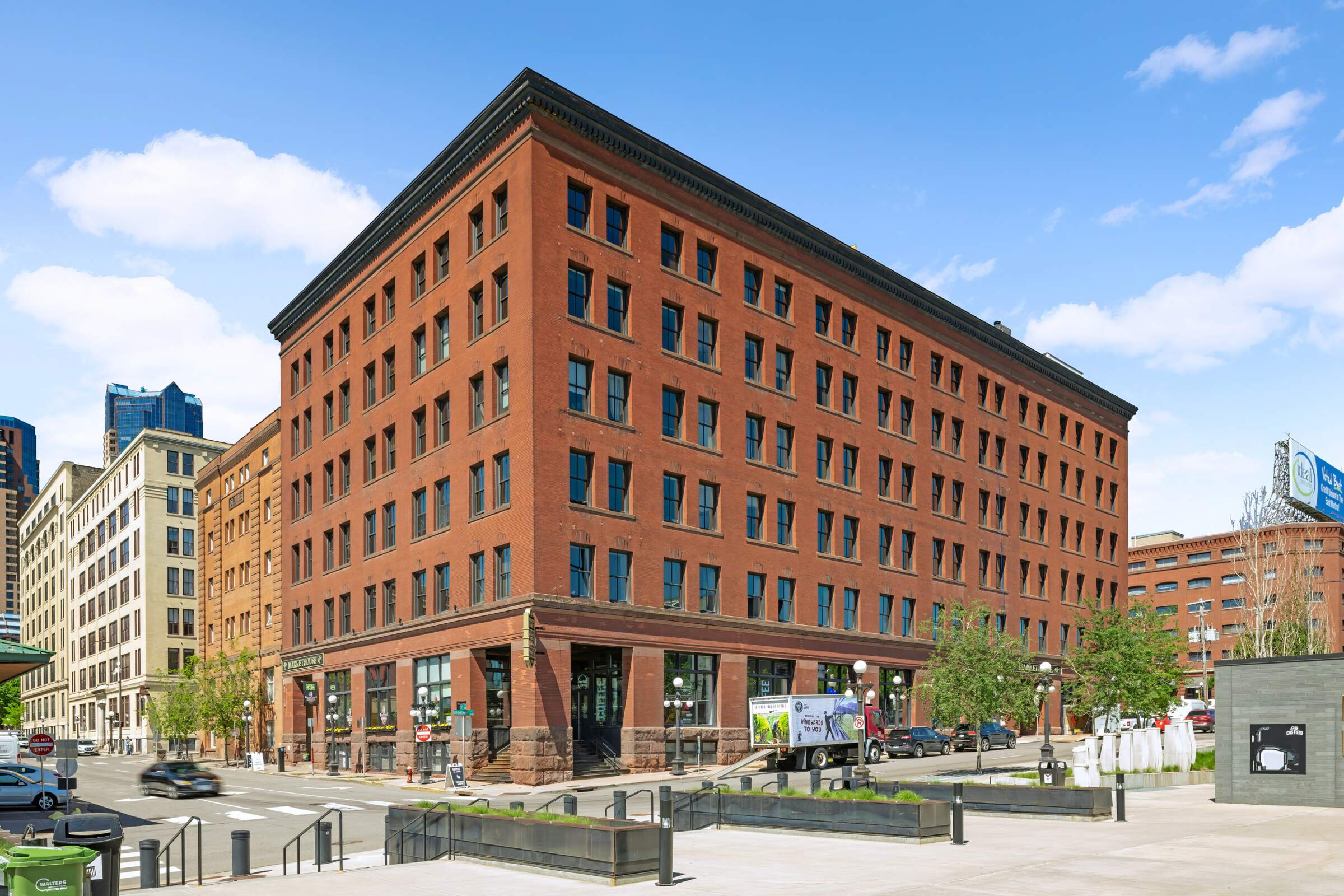
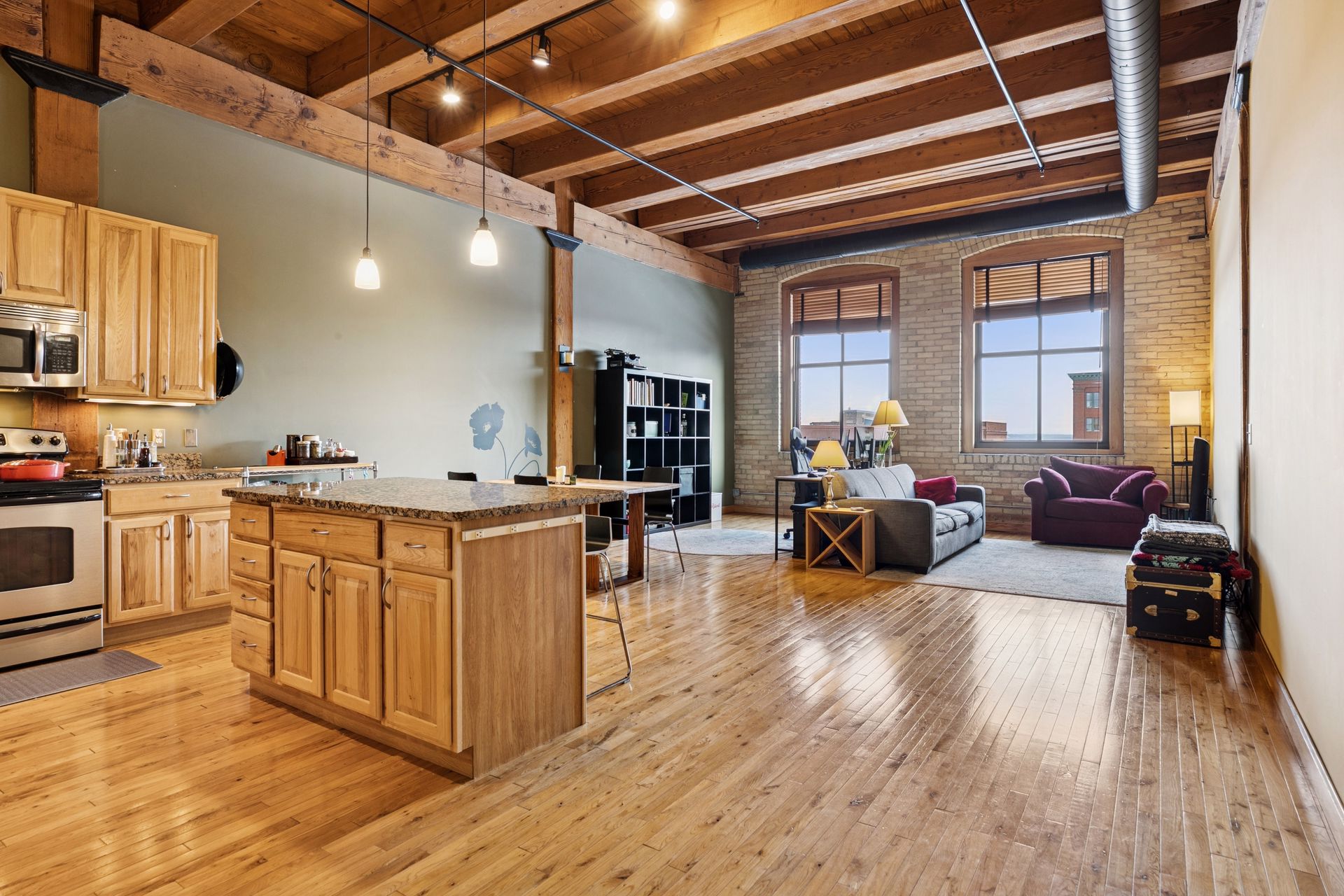
Have you been thinking of buying a condo in the Twin Cities? Welcome to Market House, one of Lowertown Saint Paul's most iconic and character-filled buildings. Discover a rare opportunity to own a piece of Saint Paul’s history with this stunning condo located at 289 5th St. E #403.

This stunning unit stands out as the best value in the building, offering one of the largest floor plans paired with high-quality updates. This residence offers a truly unique living experience in the heart of the city. Originally constructed in 1902, this iconic building once served as a bustling warehouse in Saint Paul’s historic district. The building was one of the first warehouse transformations in the 1980s, converted into 58 beautiful condos across six floors, featuring industrial-style units with exposed brick and timber ceilings.

Today, it stands as a sought-after residential destination, offering distinctive loft-style living with preserved architectural details that reflect its rich past.

Click here to view the complete photo gallery.

1. A Unique Home with Both Character & Contemporary Style

Step inside this loft-style space where historic industrial elements blend seamlessly with modern design. Highlights include: 

  • Souring ceilings, exposed brick, and original wood beams
  • Open-concept living space ideal for entertaining
  • sleek, updated kitchen with stone countertops, high-quality cabinetry, and stainless steel appliances.
  • Bedroom loft and bonus, plus convenient in-unit laundry.

Residents also enjoy access to a two-story community room with kitchenette and a rooftop deck with sweeping city and river bluff views -- perfect for hosting or unwinding after a long day.

2. Live Where the Action Is

Market House isn't just a home-- it's a lifestyle. Whether you're grabbing coffee, catching a game, or enjoying weekend entertainment, Lowertown puts it all at your doorstep. You're just a few steps from:

  • Saint Paul Farmers’ Market – Stock up on fresh, local produce every weekend just around the corner.
  • CHS Field – Catch a Saints game or enjoy summer concerts at this vibrant venue.
  • Mears Park – A peaceful green space hosting year-round events, including Lowertown Sounds, a summertime concert series.
  • Renowned Restaurants, Cafes and Breweries – Indulge in local favorites like Bullvino's Churrascaria, The Bulldog, Barrio, Erta Ale, Lost Fox, Phê Coffee (Eggdonuts) and MetroNOME Brewery.
  • Glow Holiday Festival – A magical winter experience with dazzling lights and festive cheer.
  • European Christmas Market – Enjoy a traditional open-air holiday market featuring handcrafted gifts, mulled wine, and seasonal treats.

3. HOA Benefits & Seller Offering 2.7% Buyer Broker Compensation

Market House allows pets, bring your furry friends! The condominium also offers a professionally managed HOA which covers:

  1. Heating & Air Conditioning
  2. Fiber Optic Internet
  3. Secure Access
  4. Professional Management
  5. Snow Removal, Water/Sewer, Sanitation, Outside Maintenance & Building Exterior
  6. Hazard Insurance
  7. Professional Management
  8. Shared Amenities

This exceptional home is not only a standout in design and location but also comes with a generous 2.7% Buyer Broker Compensation, making it an excellent opportunity for both buyers and their agents.

Don’t miss your chance to own a rare blend of historic charm and contemporary lifestyle in one of Saint Paul's most vibrant neighborhoods.

For more details or to arrange a private tour, contact Megan, Realtor® at The HIVE with Coldwell Banker Realty.


Information deemed reliable, but not guaranteed.


Dec. 5, 2025

What Should I Do Before Selling My House? A Complete Guide to Preparing Your Home for the Market

What Should I Do Before Selling My House?

A Complete Guide to Preparing Your Home for the Market

If you’re planning to sell your home in the next few months, you’re not alone in wondering: What exactly should I do beforehand? Preparing your home thoughtfully can lead to higher offers, fewer surprises, and a smoother closing process. This guide outlines the most important steps—along with why partnering with a trusted real estate professional can protect your time, energy, and wallet.

If you'd like to chat in-depth about these topics, contact us for a no obligation consultation.

1. Evaluate Your Home’s Condition

Before anything else, take an honest look at your home’s current condition. Start with:

  • Mechanical systems (HVAC, water heater, electrical)
  • Roof and gutter health
  • Windows and insulation
  • Signs of wear, aging, or deferred maintenance

A clear baseline helps you understand what may come up during an inspection—and what repairs might be strategically worth completing before listing.

2. Clean, Declutter, and Depersonalize

Buyers need to imagine themselves living in your space. That’s easier to do when the home feels clean, neutral, and open.

    • Deep clean all surfaces
    • Remove excess furniture
    • Pack away family photos and personal items
    • Organize cabinets, closets and storage spaces (buyers will open them!)

If you’re feeling overwhelmed, your agent can recommend a trusted organizer, downsizing service, or professional cleaner.

3. Make Smart Repairs and Improvements

Not all home improvements are created equal—and this is where homeowners often waste money. Common pre-listing improvements with strong ROI include:

      • Fresh paint in neutral colors (but let's retire the millennial gray, please!!!)
      • Updating outdated light fixtures
      • Re-caulking bathrooms and kitchens
      • Replacing worn carpet
      • Minor landscaping refreshes

However, doing the wrong improvement can backfire. For example, installing a brand-new, high-end kitchen when the rest of the home doesn’t match often leads to overspending without a return. This is where an experienced real estate advisor is invaluable. They know what matters most in your local market and can help you focus only on improvements that actually move the needle.

4. Boost Curb Appeal

First impressions matter—buyers often decide whether they “like” a home before they even walk in. Your advisor can also connect you with affordable landscaping help if needed. Easy curb appeal wins include:

      • Fresh mulch and trimmed landscaping
      • Clean windows and siding
      • A newly painted front door
      • Updated exterior lighting
      • Clear walkways - this becomes especially important during the winter. Make sure your walkways are shoveled promptly and you have a large shoe mat ready to protect your beautiful hardwood floors from wet slush. 

5. Pre-Listing Inspections: Are They Worth It?

Pre-listing inspections are not always necessary, as they can reveal costly repairs that may not be crucial in selling the home. Each property is unique, so it’s important to work with an experienced real estate professional to determine whether a pre-inspection is appropriate for a specific situation. This ensures sellers avoid unnecessary expenses and focus on improvements that truly impact the home’s marketability.

6. Why Working With a Trusted Real Estate Advisor Saves You Money

Preparing a home for sale involves dozens of decisions. The wrong ones can be costly. An experienced realtor provides three major advantages:

      • They help you prioritize the right improvements. Realtors know exactly which repairs have the best ROI—because they’ve seen buyer reactions firsthand. Instead of guessing, they guide you toward updates that actually increase your sale price and steer you away from unnecessary spending.
      • They prevent you from wasting time, money, and energy. It’s easy to overspend on last-minute projects or overlook issues that matter. A trusted advisor evaluates your home with a strategic eye so you invest only where it counts.
      • They connect you with the right people for every job. From painters and electricians to decluttering pros and landscapers, a strong agent comes with a vetted network. You won’t waste time searching for reliable contractors or risk hiring the wrong person.

A knowledgeable realtor isn’t just a listing agent—they’re a project manager, strategist, and guide through every stage of the selling process.

Final Thoughts

Preparing your home to sell doesn’t have to be overwhelming. With the right preparation—and the right advisor—you can bring your home to market with confidence, clarity, and a higher likelihood of achieving top dollar.

If you're considering selling in the next six months, now is the perfect time to start planning. A trusted real estate advisor can walk you through every step and ensure your energy (and budget) go exactly where they should.

Let us know if you have any questions about selling a home in the Twin Cities or surrounding areas. One of our experienced realtors will be in touch as soon as possible.

Sept. 20, 2025

Gen Z’s Top Questions About Home Affordability: What You Need to Know Before Buying

Buying a home can feel overwhelming—especially if you’re part of Gen Z navigating rising housing costs, student loans, and interest rate uncertainty. The good news? You’re not alone. Many first-time buyers are Googling the same questions about affordability, down payments, and hidden costs. Let’s break down the answers to the most common concerns Gen Z has about buying a home.

If you'd like to chat in-depth about these topics, contact us for a no obligation consultation.

1. How Much Down Payment Do I Really Need?

The traditional 20% down payment is a myth for most first-time buyers. Many loan programs allow you to buy a home with as little as:

  • 3% down with a conventional loan
  • 3.5% down with an FHA loan
  • 0% down with VA or USDA loans

That means on a $250,000 home, you could potentially get started with under $10,000 in down payment savings.

Pro Tip: Explore local down payment assistance programs—many states and cities offer grants or forgivable loans to help first-time buyers.

2. What Hidden Costs Should I Expect When Buying a Home?

Beyond your down payment, there are several extra expenses that can catch buyers off guard:

  • Closing costs (2–5% of the purchase price)
  • Home inspection 
  • Appraisal Fees
  • Moving Expenses
  • Property taxes and homeowners insurance
  • HOA dues (if applicable)

Budgeting an extra 3–6% of your home’s purchase price will give you a cushion for these costs.

3. Can I Buy a Home With Student Loan Debt?

Yes—you can absolutely buy a home while carrying student loans. Lenders look at your debt-to-income ratio (DTI) to see if you can handle a mortgage on top of existing debt. If your monthly debt payments are less than 43% of your gross income, you’re likely still eligible for financing.

Tips for Success:

  • Consider income-driven repayment for student loans
  • Pay off high-interest debt like credit cards first
  • Get pre-approved to see how much home you can afford with your current financial picture

Pro Tip:

Loan officers have tools to help you decide which debt to pay off first in order to be most successful when preparing for homeownership.

4. What Credit Score Do I Need to Qualify for a Mortgage?

While the “perfect” 750+ score will get you the best rates, you don’t need it to buy a home.

  • FHA loans accept credit scores as low as 580 (sometimes even 500 with larger down payments)
  • Conventional loans typically require a 620 minimum
  • Higher scores = lower interest rates, so it's worth improving your credit before applying if possible

5. How Do Interest Rates Affect My Monthly Payment?

Even a small change in interest rates can significantly impact affordability. For example: That’s a difference of nearly $2,000 per year.

  • A $250,000 mortgage at 6% = about $1,500/month (principal & interest)
  • The same loan at 7% = about $1,660/month

Action Step: Ask your lender about rate locks and whether buying down your rate with seller credits makes sense for you.

Final Thoughts

For Gen Z buyers, affordability questions are top of mind—and for good reason. Between rising home prices and student loans, the path to homeownership can feel complicated. But with the right strategies—like exploring low down payment options, budgeting for hidden costs, and improving your credit—you can make the process less intimidating and more achievable. If you’re considering buying your first home, start with a trusted realtor. It’s the best way to see what’s possible and get clear answers based on your unique situation.

Let us know if you have any questions about buying a home in the Twin Cities or surrounding areas. One of our experienced realtors will be in touch as soon as possible.

Aug. 5, 2025

Should I Sell My House Now or Wait for 2026?

Thinking about selling your home but wondering if it’s better to wait for 2026? You’re not alone. With the real estate market still adjusting post-pandemic, it’s important to weigh your options carefully. Here's a breakdown of the top five reasons to sell now—and a few considerations for why waiting might still make sense.

If any of these reasons resonate with you, contact us to navigate this market and sell your home in an efficient manner.

1. You’re Ready to Upgrade to a Bigger, Better Home

Many homeowners in the Twin Cities are still enjoying the benefits of rapid home price appreciation from the past several years. If you purchased before or during the early pandemic surge, there's a strong chance you've built up substantial equity—even with home price growth slowing in 2024 and 2025. Selling now allows you to lock in that gain before prices potentially flatten further. That equity can be used to make a competitive offer on your next home, pay off debt, or boost your savings. Waiting might only yield a modest additional gain, while also risking value softening if rates remain elevated or buyer demand dips again.

2. There’s Less Competition (for Now)

The Twin Cities housing market is seeing a slow but steady return to pre-2020 inventory levels. That means more options for buyers—but for sellers, right now is still a window where listings remain relatively limited in many desirable neighborhoods. If you prepare your home well—think staging, repairs, and great photography—you could stand out and attract serious buyers. As more homeowners anticipate a rate drop and flood the market in 2026, competition will heat up, and your home may no longer be one of only a few in your price range. Selling now could mean stronger negotiating power and less pressure to drop your price.

3. Spring 2026 May Not Be the Boom You’re Hoping For

It’s tempting to wait for 2026, hoping mortgage rates will fall and bring a surge of eager buyers. But it’s important to manage expectations: most analysts predict only a modest drop in rates, and price appreciation is forecasted to grow slowly—around 2–4% annually. That small bump may not make a meaningful difference in your bottom line, especially if inventory increases alongside buyer activity. In fact, a flood of new listings next spring could lead to stiffer competition and more price cuts. Selling now, especially if you list in early fall, might yield a better balance of demand and limited inventory.

4. Avoid More Holding Costs

Every extra month you hold onto your home adds up: mortgage payments, property taxes, utilities, insurance, and ongoing maintenance. If your home isn’t your primary residence anymore—or if you’ve already moved into your next one—you could be juggling two sets of costs. Even if you stay put, you might be facing necessary repairs or improvements that don’t significantly increase your value. With the market shifting, waiting another year may not yield enough of a price jump to justify those extra costs. Selling now could help you simplify, reduce financial strain, and reinvest your money elsewhere—whether it’s a new home, retirement planning, or your next chapter.

5. You’re Ready to Move On

Sometimes, it’s not about market timing—it’s about your timing. Whether you're planning a big move, making space for a growing family, retiring, or simply ready for something new, selling now allows you to take action on your goals. Life changes don’t always align with the market cycle, and waiting for a “perfect” selling environment can lead to frustration or missed opportunities. If your current home no longer fits your needs—or you’re ready to simplify your life—it might be time to move forward. A good REALTOR® can help you time your listing strategically and make the most of the market as it stands today.

So, When Is Waiting Until 2026 the Right Move?

While selling now has clear benefits, there are still valid reasons to hold off until 2026. If you bought your home recently and haven’t built much equity yet, you may benefit from another year of appreciation. If you’re locked into an ultra-low mortgage rate, selling could mean giving up a major financial advantage. If you’re making renovations or improvements that will significantly boost your resale value, waiting could pay off. And if you simply love your home and can comfortably afford to wait, keeping your options open isn’t a bad idea. Just make sure you’re basing the decision on a realistic view of the market—not wishful thinking.

Final Thoughts

Selling your home is a big decision, and there’s no one-size-fits-all answer. But for many Twin Cities homeowners, late 2025 is still a strong time to sell—especially if you want to avoid added costs, increased competition, and market uncertainty in 2026. With solid equity, relatively limited inventory, and motivated buyers still searching, acting now could put you in a strong position to move forward confidently. If you’d like help evaluating your options, we’re here to walk you through what your home is worth today—and what it might be worth next year.

Let us know if you have any questions about selling a home in the Twin Cities or surrounding suburbs. One of our experienced realtors will be in touch as soon as possible.

May 8, 2025

Housing Through the Decades: 2000s–Present – Modern Comfort, Open Concepts & a Watchful Eye on Materials

As we round out our Housing Through the Decades series, we land in a time that many buyers are most familiar with—homes built from the early 2000s to today. These homes offer the modern amenities people crave: open-concept kitchens, spacious owner’s suites, attached garages, smart features, and energy-efficient systems. But even new construction isn’t perfect.

At The HIVE, we’re here to help buyers and sellers approach newer homes with a critical, informed eye. With a wealth of knowledge about today’s homes—and a mission to give back—we’re proud to donate to a nonprofit of your choice after every closing.

If you have any questions about buying or selling a home, contact us today!


1. What Defines a 2000s–Present Home?

From cozy craftsman-inspired homes to sleek suburban two-stories, homes built in the 21st century reflect both technological progress and changing lifestyle needs. Think kitchen islands built for entertaining, walk-in pantries, and mudrooms for busy families.

Here are some defining features of newer homes:

      • Open-concept living spaces
      • Large kitchens with granite or quartz countertops
      • Spa-like bathrooms with separate tubs and showers
      • Smart home technology for lights, locks, and thermostats
      • Energy-efficient windows and insulation

In the Twin Cities, you’ll find these homes in fast-growing communities like Maple Grove, Lakeville, Woodbury, and Blaine, along with infill construction happening within city limits.

2. Fun Fact: Smart Home Evolution

What started as programmable thermostats in the 2000s has evolved into entire homes powered by apps. From video doorbells to voice-activated lights, smart technology is now a standard feature in many homes built in the last decade.

3. Housing Concern: Fast-Growth Lumber & Build Quality

While many new homes shine on the surface, there’s been growing concern over the quality of materials used—especially compared to century-old homes. One key issue? Fast-growth lumber. Newer lumber is harvested quickly, resulting in softer, less dense wood. That means framing may be more prone to warping, sagging, or decay over time compared to the old-growth lumber used in early 20th-century homes.

IOther things to look for in newer builds:

      • Foundation settling for warping or deterioration
      • Moisture issues in basements
      • Rushed construction in large developments
      • Cheap finishes or hardware that may not last long

4. Real Estate Tip: Don’t Skip the Inspection—Even on New Builds

Even if you're buying brand-new construction, get an inspection. Issues like poor insulation, incomplete HVAC installs, or drainage problems are more common than you might think. An experienced inspector can catch red flags that aren’t visible to the untrained eye. And if you're buying a newer home that’s already a few years old, ask for records of maintenance, builder warranties, and any known repairs.

5. A Neighborhood Snapshot: North Loop, Minneapolis

While much of the recent homebuilding boom has happened in the suburbs, Minneapolis’s North Loop has seen a revival of urban infill development and condo living. From sleek, modern townhomes to luxury condos in repurposed warehouse buildings, this area exemplifies the best of modern living with historic character. With walkability, style, and location, it's a top spot for buyers looking for that new-home feel close to downtown.

6. Buying or Selling a Home from This Era? Let’s Talk.

The HIVE team has helped clients buy and sell homes built in the 2000s and beyond. We know what to look for in newer construction—and how to help you avoid common pitfalls. And because we believe in doing real estate with heart, we’ll make a donation to a nonprofit of your choice after every transaction. That’s our way of making homeownership feel good in every way.

Thanks for following along! Whether you’re dreaming of a vintage bungalow or a brand-new build, The HIVE is here to guide you every step of the way.