
Thinking about selling your home but wondering if it’s better to wait for 2026? You’re not alone. With the real estate market still adjusting post-pandemic, it’s important to weigh your options carefully. Here's a breakdown of the top five reasons to sell now—and a few considerations for why waiting might still make sense.
If any of these reasons resonate with you, contact us to navigate this market and sell your home in an efficient manner.
1. You’re Ready to Upgrade to a Bigger, Better Home
Many homeowners in the Twin Cities are still enjoying the benefits of rapid home price appreciation from the past several years. If you purchased before or during the early pandemic surge, there's a strong chance you've built up substantial equity—even with home price growth slowing in 2024 and 2025. Selling now allows you to lock in that gain before prices potentially flatten further. That equity can be used to make a competitive offer on your next home, pay off debt, or boost your savings. Waiting might only yield a modest additional gain, while also risking value softening if rates remain elevated or buyer demand dips again.
2. There’s Less Competition (for Now)
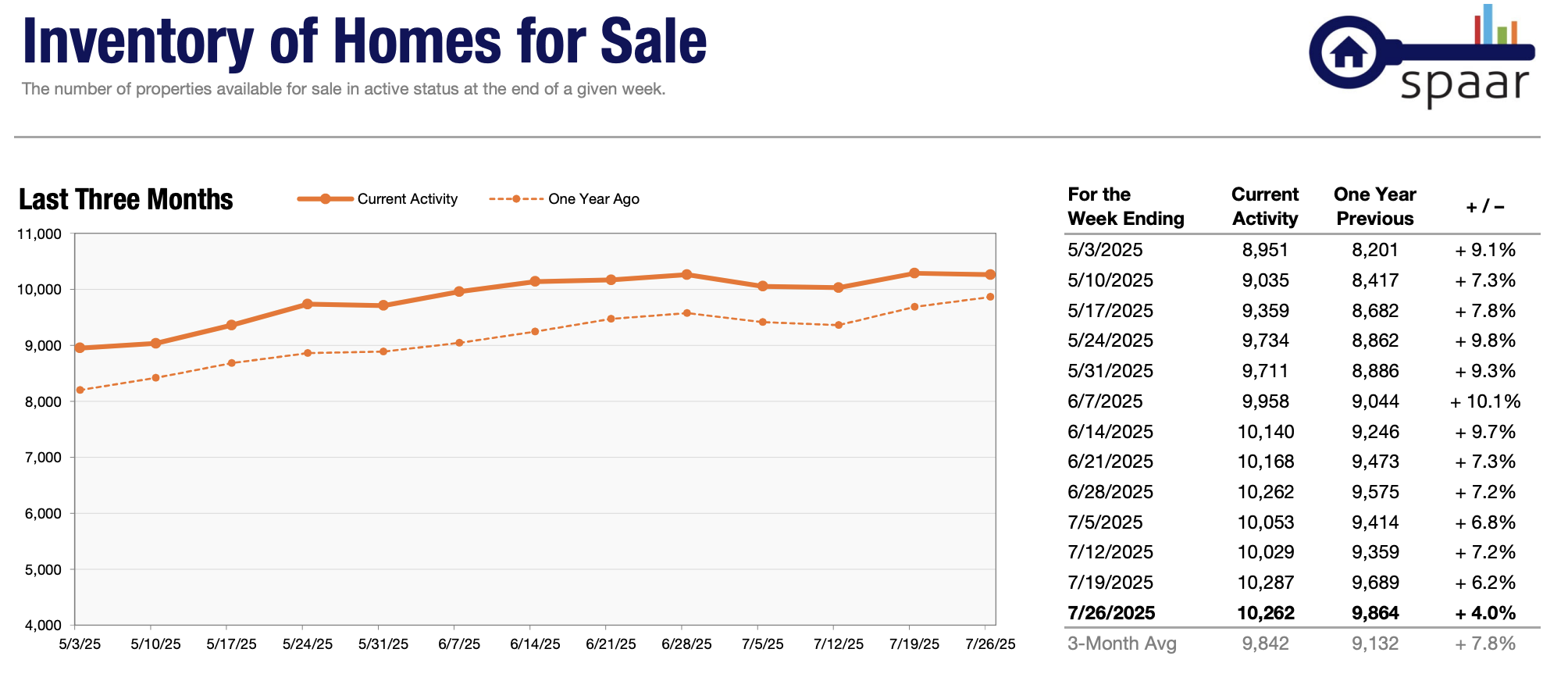
The Twin Cities housing market is seeing a slow but steady return to pre-2020 inventory levels. That means more options for buyers—but for sellers, right now is still a window where listings remain relatively limited in many desirable neighborhoods. If you prepare your home well—think staging, repairs, and great photography—you could stand out and attract serious buyers. As more homeowners anticipate a rate drop and flood the market in 2026, competition will heat up, and your home may no longer be one of only a few in your price range. Selling now could mean stronger negotiating power and less pressure to drop your price.
3. Spring 2026 May Not Be the Boom You’re Hoping For
It’s tempting to wait for 2026, hoping mortgage rates will fall and bring a surge of eager buyers. But it’s important to manage expectations: most analysts predict only a modest drop in rates, and price appreciation is forecasted to grow slowly—around 2–4% annually. That small bump may not make a meaningful difference in your bottom line, especially if inventory increases alongside buyer activity. In fact, a flood of new listings next spring could lead to stiffer competition and more price cuts. Selling now, especially if you list in early fall, might yield a better balance of demand and limited inventory.
4. Avoid More Holding Costs
Every extra month you hold onto your home adds up: mortgage payments, property taxes, utilities, insurance, and ongoing maintenance. If your home isn’t your primary residence anymore—or if you’ve already moved into your next one—you could be juggling two sets of costs. Even if you stay put, you might be facing necessary repairs or improvements that don’t significantly increase your value. With the market shifting, waiting another year may not yield enough of a price jump to justify those extra costs. Selling now could help you simplify, reduce financial strain, and reinvest your money elsewhere—whether it’s a new home, retirement planning, or your next chapter.
5. You’re Ready to Move On
Sometimes, it’s not about market timing—it’s about your timing. Whether you're planning a big move, making space for a growing family, retiring, or simply ready for something new, selling now allows you to take action on your goals. Life changes don’t always align with the market cycle, and waiting for a “perfect” selling environment can lead to frustration or missed opportunities. If your current home no longer fits your needs—or you’re ready to simplify your life—it might be time to move forward. A good REALTOR® can help you time your listing strategically and make the most of the market as it stands today.
So, When Is Waiting Until 2026 the Right Move?
While selling now has clear benefits, there are still valid reasons to hold off until 2026. If you bought your home recently and haven’t built much equity yet, you may benefit from another year of appreciation. If you’re locked into an ultra-low mortgage rate, selling could mean giving up a major financial advantage. If you’re making renovations or improvements that will significantly boost your resale value, waiting could pay off. And if you simply love your home and can comfortably afford to wait, keeping your options open isn’t a bad idea. Just make sure you’re basing the decision on a realistic view of the market—not wishful thinking.
Final Thoughts
Selling your home is a big decision, and there’s no one-size-fits-all answer. But for many Twin Cities homeowners, late 2025 is still a strong time to sell—especially if you want to avoid added costs, increased competition, and market uncertainty in 2026. With solid equity, relatively limited inventory, and motivated buyers still searching, acting now could put you in a strong position to move forward confidently. If you’d like help evaluating your options, we’re here to walk you through what your home is worth today—and what it might be worth next year.
Let us know if you have any questions about selling a home in the Twin Cities or surrounding suburbs. One of our experienced realtors will be in touch as soon as possible.