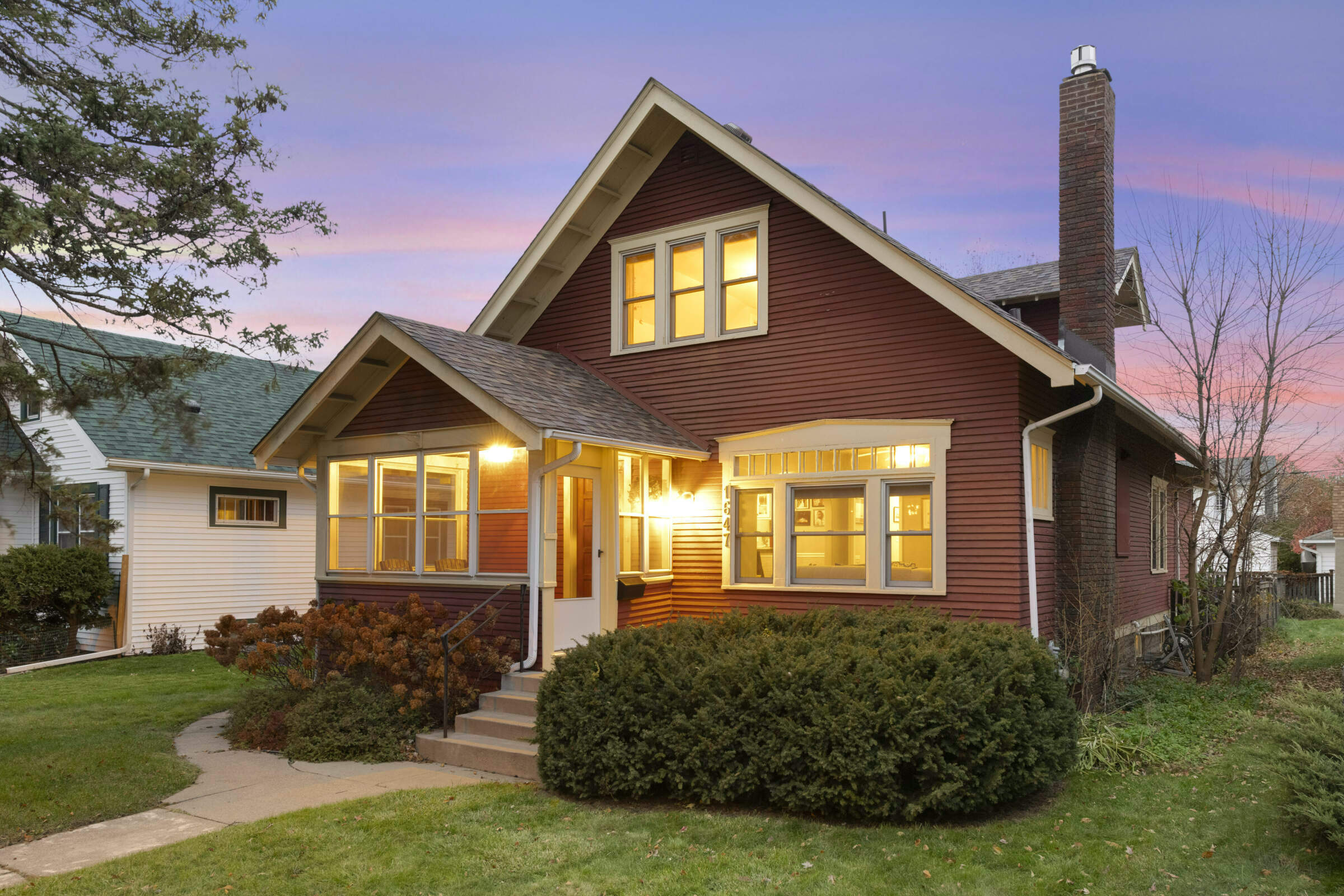
As we continue our Housing Through the Decades series, we’re stepping into the 1930s and 1940s, a time when homes became more modest and efficient. This era was shaped by the Great Depression and World War II, which led to a shift from ornate homes to more practical, cost-effective designs.
As trusted real estate advisors, our team has a wealth of knowledge about homes in the Twin Cities market—from historic bungalows to modern builds. Whether you're looking to buy or sell, we're here to help you navigate the process with confidence.
If you have any questions about buying or selling a home, contact us today!
- 1. A Shift Toward Simplicity & Functionality
- 2. Fun Fact: The Rise of the Suburbs
- 3. Housing Concern: Lack of Storage & Small Kitchens
- 4. Real Estate Tip: Check for Aging Infrastructure
- 5. A Neighborhood Full of 1930s-1940s Homes: Highland Park
- 6. Next Week: The 1950s – The Rise of Mid-Century Modern & the American Dream!
1. A Shift Toward Simplicity & Functionality
During the 1930s and 1940s, home designs focused on efficiency and affordability. The Craftsman movement began to fade, making way for minimalist bungalows, Cape Cod homes, and early ranch-style houses. These homes often featured:
- Simple layouts with two to three bedrooms
- Steep-pitched roofs (especially in Cape Cod homes)
- Brick or wood siding
- Smaller footprints to reduce costs
- Fewer decorative details compared to earlier homes
While these homes were built with quality materials and strong craftsmanship, they were often more compact and designed for function rather than extravagance.
2. Fun Fact: The Rise of the Suburbs
With the post-war boom of the late 1940s, suburban development began to take off! The FHA and VA loan programs helped returning soldiers buy homes, leading to the expansion of neighborhoods like Highland Park in Saint Paul. This era marked the beginning of the suburban dream, with families moving away from city centers in search of more space and a sense of community.
3. Housing Concern: Lack of Storage & Small Kitchens
One challenge with homes from this era? Limited storage space! Closets were much smaller than what we expect today, and kitchens were often tiny compared to modern layouts. If you’re considering a home from this period, think about whether the storage space will meet your needs—or if a remodel might be in order!
4. Real Estate Tip: Check for Aging Infrastructure
If you’re looking at a home from the 1930s-1940s, be sure to inspect the plumbing and foundation. Many of these homes still have their original clay or cast iron pipes, which can corrode over time. Foundations may also have settling issues, so a thorough inspection is key before purchasing.
5. A Neighborhood Full of 1930s-1940s Homes: Highland Park
In Saint Paul, Highland Park is a fantastic example of a neighborhood developed in this era. You’ll find streets lined with Cape Cods, charming bungalows, and early ranch homes, all built with strong craftsmanship and timeless appeal.
6. Next Week: The 1950s – The Rise of Mid-Century Modern & the American Dream!
Stay tuned as we explore the era of open floor plans, colorful kitchens, and the birth of the suburban boom. Plus, we’ll share what to look for when buying a 1950s home!
Ready to Explore Homes from the Past?
Homes built in the 1930's-1940's offer classic charm and solid construction, but it’s important to know what to expect when buying an older property. Whether you’re drawn to a cozy bungalow or a timeless Cape Cod, The HIVE is here to help!
Reach out to us today, we are here to help you navigate the world of historic homes for sale in the Twin Cities.