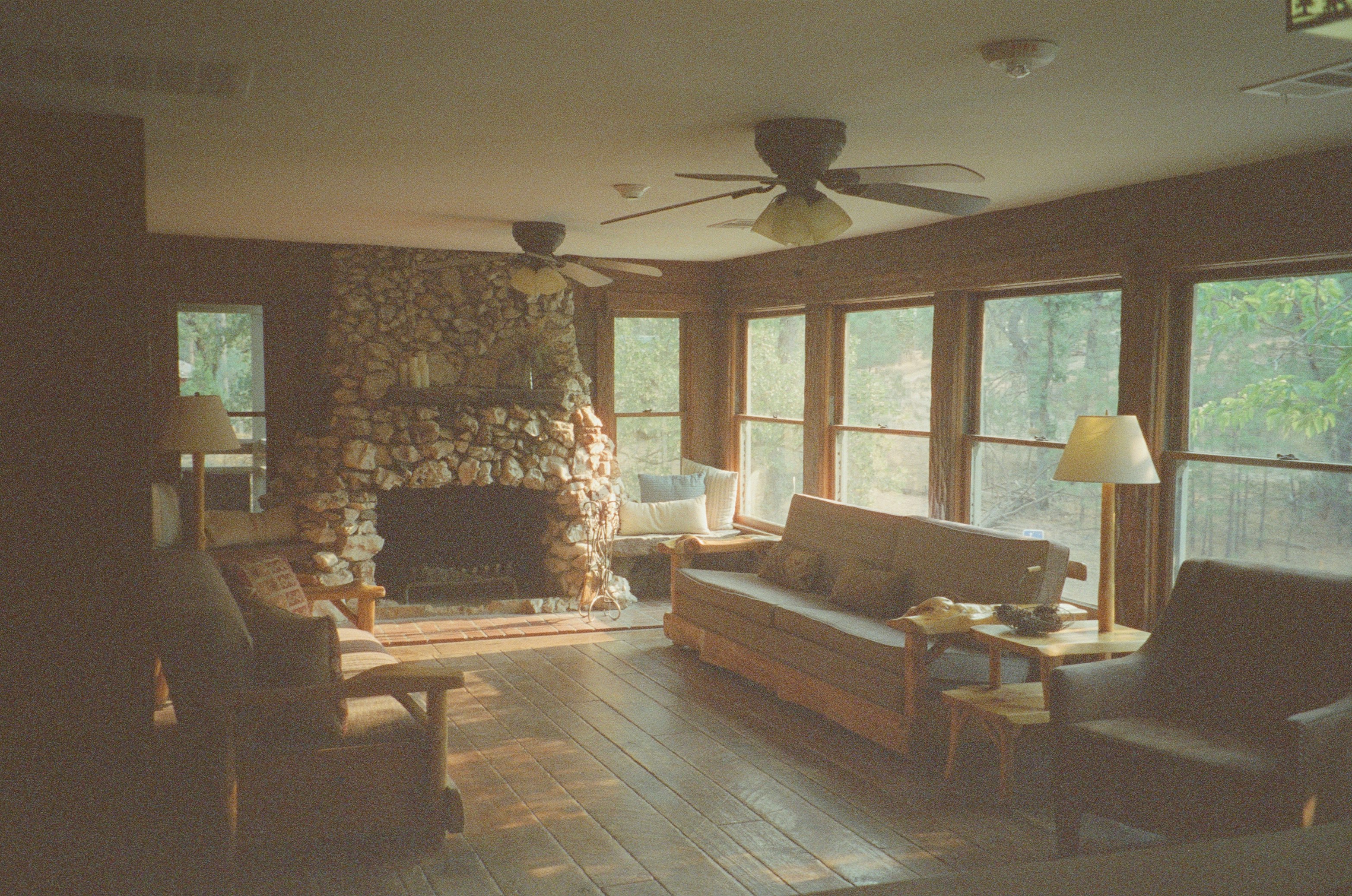
The 1960s and 1970s were a transformative time in American home design. The Twin Cities suburbs grew rapidly during these decades, with homes embracing bolder design choices, larger footprints, and new building technologies. This was the age of the split-level home, the rise of sunken living rooms, and the experimentation of modernist flair and efficiency-focused construction.
Whether you're buying a groovy 70s split-level or selling a colorful 60s rambler, The HIVE real estate team is here to guide you with expertise and care. We know the ins and outs of homes from this era—and as part of our comittment to the Twin Cities community, we make a donation in your honor to a nonprofit of your choice after every closed transaction.
If you have any questions about buying or selling a home, contact us today!
- 1. Bigger, Bolder, and More Personalized
- 2. Fun Fact: Color Was King!
- 3. Housing Concern: Too Airtight for Comforts
- 4. Real Estate Tip: Check the Insulation & Windows
- 5. A Neighborhood Full of 1950s Homes: Wenonah, South Minneapolis
- 6. Next Week: 1980s-19902 - The Era of Vaulted Ceilings, Vinyl Siding, and Open Concept Dreams
1. Bigger, Bolder, and More Personalized
As families grew and lifestyles changed, homes reflected a desire for more space, more style, and more light.
Typical features from this era include:
- Split-level or tri-level layouts that separated living spaces
- Vaulted ceilings and exposed beams
- Brick fireplaces as a focal point in the living room
- Shag carpeting and vibrant tile choices in kitchens and baths
- Large windows and sliding glass doors connecting indoor and outdoor spaces
2. Fun Fact: Color Was King!
The 1960s–70s were anything but neutral. Homeowners weren’t afraid of using bold oranges, greens, and browns in everything from kitchen appliances to bathroom tile. This era also saw the first use of open-plan kitchens, making cooking a more communal experience. In the Twin Cities, neighborhoods like Brooklyn Center and parts of Apple Valley flourished during this time. You’ll still find many well-maintained 60s and 70s homes with original features—and plenty of renovation potential.
3. Housing Concern: Too Airtight for Comfort
By the 1970s, new energy efficiency standards led to homes being built tightly sealed to conserve heat. While great for utility bills, this created unintended problems: trapped moisture, poor air circulation, and in some cases, mold and mildew. Ventilation systems weren’t always updated accordingly, so if you're buying a home from this era, make sure to evaluate airflow and consider adding mechanical ventilation if needed.
4. Real Estate Tip: Check the Insulation & Windows
Homes from this era might not meet today’s insulation standards. Single-pane windows, minimal attic insulation, and drafty doors can drive up heating costs. But the good news? These upgrades are relatively affordable and can greatly improve comfort and efficiency. When viewing a home from the 60s or 70s, ask about recent weatherization updates or budget for them post-purchase.
5. A Neighborhood Snapshot: Wenonah, South Minneapolis
The Wenonah neighborhood, located near Lake Nokomis, saw substantial development in the 1960s and 70s. This area features a variety of split-level and mid-century ramblers, many on tree-lined streets with access to parks, trails, and the airport. With its cozy suburban feel and close proximity to urban amenities, Wenonah offers a perfect blend of retro charm and modern convenience for buyers seeking a home from this era.
6. Next Week: The 1980s-1990s - The Era of Vaulted Ceilings, Vinyl Siding, and Open Concept Dreams
We’ll explore how the home styles of the 80s and 90s leaned into practicality, square footage, and the beginning of the "McMansion" trend.
Trust The HIVE to Guide You Through the Decades
Whether you're drawn to the quirky charm of a 1970s home or the bold lines of 60s design, The HIVE is here to help. As seasoned real estate professionals with deep roots in the Twin Cities, we understand the unique considerations that come with older homes—and the timeless potential they hold.
Reach out to us today, we are here to help you navigate the world of historic homes for sale in the Twin Cities.