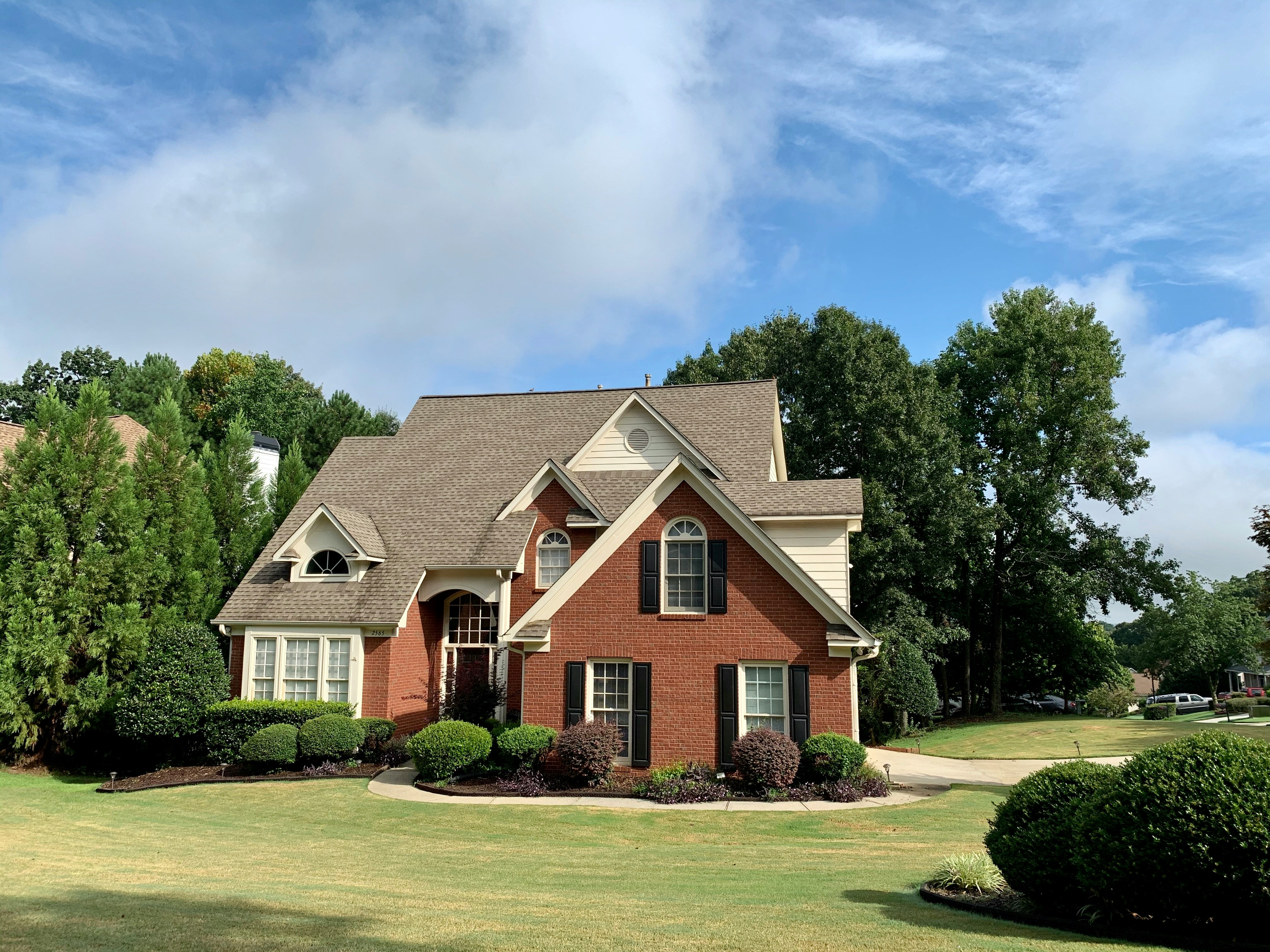
 As the Twin Cities continued to grow in the 1980s and 1990s, so did the size—and ambition—of our homes. This era brought a shift toward larger floor plans, suburban expansion, and the rise of what’s often called the “McMansion” era. While the bold design features and extra space were big selling points, these decades also ushered in builder-grade materials that weren’t always made to last.
Whether you're dreaming of a vaulted ceiling in Maple Grove or planning to sell a 1990s two-story in Eagan, The HIVE team is here to help you navigate homes from this era with confidence. And when you work with us, we give back—a donation is made in your honor to a nonprofit of your choice after every closing.
If you have any questions about buying or selling a home, contact us today!
- 1. Bigger Homes, Bolder Features
- 2. Fun Fact: The Kitchen Became the Heart of the Home
- 3. Housing Concern: Builder-Grade Materials Don’t Always Age Gracefully
- 4. Real Estate Tip: Prioritize Updates That Boost Value
- 5. A Neighborhood Snapshot: Eagan, MN
- 6. Next Week: 2000s–Present – Smart Homes, Open Plans & Modern Priorities
1. Bigger Homes, Bolder Features
The homes of the 80s and 90s reflected a cultural push for “more is more.” Buyers wanted more bedrooms, more bathrooms, and more square footage. And builders delivered.
Common features included:
- Vaulted ceilings and grand two-story foyers
- Open-concept layouts with combined kitchen/dining/family spaces
- Walk-in closets and ensuite primary bathrooms
- Attached 2- or 3-car garages
- Vinyl siding and builder-grade finishes
This was also the beginning of suburban sprawl. Developments popped up quickly, and entire neighborhoods were built seemingly overnight to meet the demand for new housing.
2. Fun Fact: The Kitchen Became the Heart of the Home
Gone were the closed-off kitchens of the mid-century. In the 1980s and 90s, the kitchen became a central gathering space, with islands, breakfast bars, and open sightlines into family rooms. This shift not only changed how homes were used—it influenced how we entertain, connect, and live today. Neighborhoods like Maple Grove, Woodbury, and parts of Eagan were prime spots for 80s–90s development and are still home to thousands of well-maintained houses from this era.
3. Housing Concern: Builder-Grade Materials Don’t Always Age Gracefully
To keep up with demand, many homes were built using cheaper, mass-produced materials—think vinyl windows, low-grade cabinetry, and pressed wood siding. Fast forward a few decades, and many of these materials are showing their age.
If you're buying a home from this time period, be sure to:
- Inspect the siding for warping or deterioration
- Check windows for drafts or fogging between panes
- Evaluate kitchens and bathrooms for outdated or worn finishes
4. Real Estate Tip: Prioritize Updates That Boost Value
The good news? Homes from the 80s and 90s usually have solid foundations, functional layouts, and plenty of space. Cosmetic upgrades can go a long way.
Easy wins include:
- Replacing builder-grade light fixtures
- Upgrading flooring (especially carpet)
- Refreshing kitchens with painted cabinets and modern hardware
- Updating bathrooms for a cleaner, more modern look
5. A Neighborhood Snapshot: Eagan, MN
Located just south of the Twin Cities, Eagan boomed in the 1980s and 1990s. With its great schools, parks, and spacious homes, it became a top choice for growing families. Many of the homes in Eagan feature the classic hallmarks of the era—vaulted ceilings, open layouts, and room to grow.
6. Next Week: 2000s–Present – Smart Homes, Open Plans & Modern Priorities
We’ll take a look at how design has evolved in the 21st century—and what today’s buyers are looking for in a home.
Trust The HIVE to Guide You Through the Decades
Looking to Buy or Sell a 1980s–1990s Home? Our team at The HIVE knows these homes inside and out—from what to expect during inspection to which updates make the biggest difference. And when you work with us, your home journey also gives back to your community through our nonprofit donation program.
Reach out to us today, we are here to help you navigate the world of homes for sale in the Twin Cities.